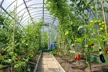
Brandon's Assiniboine College has some research ideas that it hopes will raise the bar for the horticulture sector. That includes ideas to make the sector more adaptable for the Prairies' winter-heavy northern conditions, such as how high tunnels might help vegetable growers kick off their operations earlier in spring and deeper into the fall.
Another project is looking for peat moss alternatives that could be blended in to make the precious natural resource go farther. The college's long list of horticultural research and other horticultural production ideas, such as raised vegetable beds, were on display during this year's Horticulture School late last month.
Raised beds aren't just for the casual backyard gardener, according to one horticultural expert. Tom Gonsalves, vegetable crop specialist with Manitoba Agriculture, outlined his work exploring the practice to boost crop yield and quality for some vegetable crops.
"We did trials in Portage (la Prairie) … where we evaluated raised bed versus non-raised bed production. We did it over a number of years, depending on the crop," Gonsalves said. It hasn't been a winner for all crops. Tomatoes, for example, didn't see an advantage. Others, such as squashes, zucchini, carrots and peppers, reaped noticeable yield bumps.
Read more at The Western Producer