An interdisciplinary team at the University of Concepción has created a biodegradable hydrogel with a dual function: retaining water and gradually releasing nutrients. Tested on various plant species, the material is designed to improve agricultural and forestry productivity while reducing the environmental impact associated with conventional hydrogels.
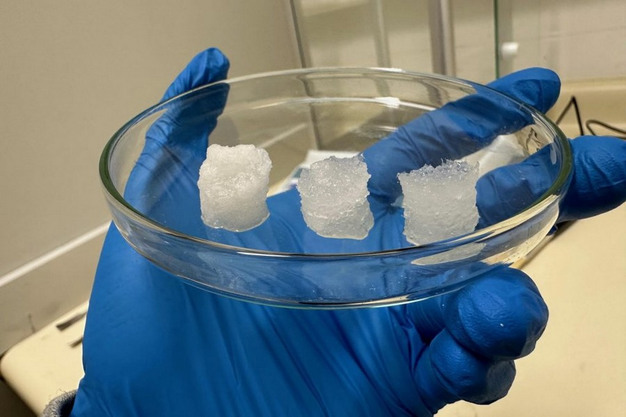 © Departamento de Ingeniería Química UdeC
The research team, from the Department of Chemical Engineering (DIQ) and the Faculty of Agronomy, is led by Professor Katherina Fernández Elgueta of the Faculty of Engineering.
Biodegradable hydrogel with dual function
Fernández explained that the sponge-like material absorbs water and keeps soil moist, lowering water consumption. At the same time, it immobilizes fertilizers and enables a controlled release of key nutrients: nitrate, phosphate, and potassium. "We tested the hydrogel on different substrates, leaf soil, sand, clay, to observe the release process, and it worked well. We also studied its biodegradability," she said.
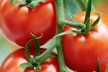
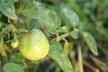
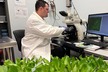
Trials were carried out on eucalyptus and pine trees, as well as on tomatoes and lettuce under real growing conditions. A full microbiological study was also conducted to ensure the product was non-toxic. "We saw very favorable growth compared to untreated plants," Fernández noted.
Ecological alternative to conventional products
The motivation behind the development is to replace market-standard hydrogels. "Conventional ones are chemical, made of polyacrylate, the same material used in disposable diapers. The problem is that they generate microplastics and all the associated pollution," Fernández explained.
The project also fits into the framework of circular economy practices, using nanocellulose. The team collaborates with the company BioForest, which supplies cellulose as the raw material.
According to Fernández, the hydrogel has reached pilot stage: "The next step is mass production and large-scale validation under real growing conditions, as so far trials have been carried out in controlled environments."
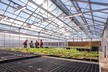
The project has also received support from Puyaral nursery, which provided tomato and lettuce plants for greenhouse trials, and from the company Nahuelbuta, which assisted with business model development to bring the product to market.
This dual-function hydrogel is part of a FONDEF-funded multidisciplinary project, involving UdeC agronomy professors Susan Fischer Ganzoni, Ernesto Moya Elizondo, and Mauricio Schoebitz Cid, along with Oscar Valerio González and Miguel Pereira Soto from the DIQ.
Source: udec.cl