Millions of Europeans take a break in summer. Beaches and cities fill with tourists, schools close, and much of the continent goes into "holiday mode." However, there's one sector in southern Europe that doesn't rest during summer: solar greenhouses.
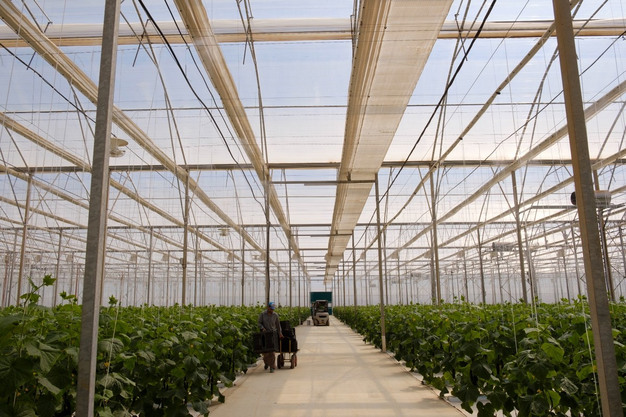
In European growing regions such as Almeria and Granada, farmers keep working at full capacity during the hottest months of the year, preparing the land, renewing crops, and implementing technical improvements like solarization to ensure that store shelves will be stocked in a few months with fresh, safe, and tasty fruits and vegetables.
 © Esdeinvernadero
Preparing for the future at the hottest time of the year
High temperatures pose a challenge for any crop. That's why farmers in the main fruit and vegetable producing provinces combine tradition, know-how, and technology to protect plants and ensure ongoing production.
Farmers are adopting increasingly advanced technological innovations to complement traditional methods. Automated shading, cross ventilation, and humidification systems enable control of temperature and humidity even during extremely hot days.
Digitalization has elevated solar greenhouses to a new level. Sensors, mobile apps, and Big Data allow farmers to monitor light, climate, and water needs in real-time, allowing them to make quick and precise decisions to prevent heat stress in their crops.
As a result, this sustainable production system operates with surgical precision to ensure nothing goes wrong, even during the summer months.
Innovation also works in summer: Varietal improvement
Summer is not just a time for preparing the soil and managing the weather. It is also a key phase in researching and breeding new fruit and vegetable varieties.
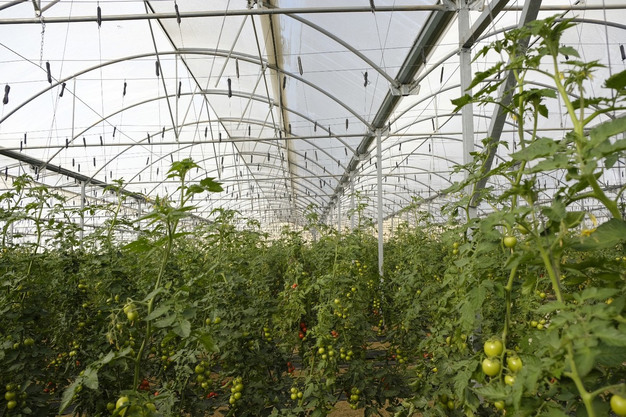
During these months, tests and trials are carried out in extreme conditions at seed research centres across southern Europe. The goal is to develop productive and resistant varieties, while also improving sensory and nutritional qualities.
Varietal improvement is a lengthy process that can take years to bear fruit. It demands investment, scientific expertise, and numerous field trials. Thanks to this effort, today we can enjoy tomatoes with richer flavor, crunchier peppers, and fresher cucumbers, tailored to the tastes of each European consumer and country.
Varietal improvement also aims to address global challenges: developing varieties that require less water, are more resistant to pests, or can reach distant markets in perfect condition.
Summer, with its high temperatures, becomes an ideal natural laboratory to determine which varieties can better withstand the heat, which combinations of genes offer greater productivity, and which offer a unique flavor that stands out on the consumer's plate.
 © Esdeinvernadero
Non-stop commitment
Behind every tomato, pepper, zucchini, or eggplant that reaches European tables, there are long days, technical decisions, and a lot of accumulated knowledge. Every day, farmers check their crops, adjust ventilation and irrigation, program shading systems, and plan for the next season.
Their efforts ensure more than 500 million Europeans have a steady supply of fresh, healthy, and sustainable fruits and vegetables throughout the year. And they do so in a context where international competition is growing more intense. Southern European farmers are dedicated to quality, sustainability, and innovation.
"The message is clear: Greenhouse agriculture does not stop in summer because its commitment goes beyond the seasons. Their mission is to feed Europe every day of the year, and they achieve this through a unique balance of tradition, technological innovation, and varietal improvement."
For more information:
Es de invernadero
https://esdeinvernadero.es