Hydroponics is steadily gaining ground in India's urban agriculture sector, with Brio Hydroponics, led by CEO Jay Kumar Bhatt, contributing to this growth. "Investors have been instrumental in shaping the hydroponics market in India," he says.
Bhatt explains that while early hydroponic projects were mainly self-funded by entrepreneurs, the industry is now attracting both domestic and global investors who bring not only capital but also technology partnerships, operational expertise, and access to new markets. "Their role goes beyond providing capital to accelerating innovation, improving quality standards, and making large-scale operations a reality," he explains.
 © Brio Hydroponics
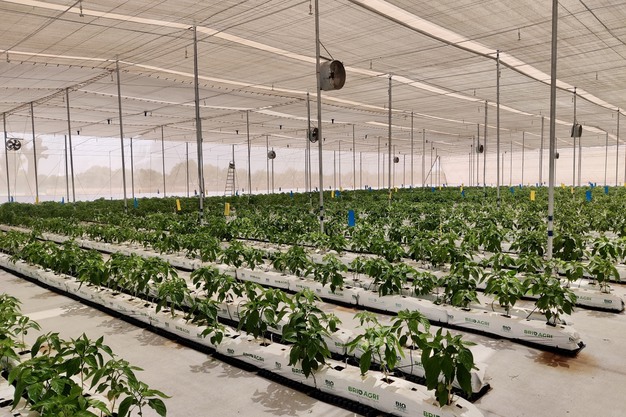
Brio's Company Owned, Company Operated (COCO) and Franchise Owned, Company Operated (FOCO) model partnerships aim to demonstrate how scale and profitability can work together. "Unlike in many mature markets where hydroponics is already saturated, India's market is still developing, leaving room for early movers to establish a presence," Bhatt notes, adding that global players can use India, with its lower operational costs, as a base for export production.
However, Bhatt highlights the high initial investment for infrastructure and the need for skilled manpower as notable hurdles. "Running a hydroponic system requires technical know-how in nutrient management, climate control, and crop monitoring. On the market side, educating consumers that hydroponically grown produce is worth the premium can be difficult." Bhatt explains. To address these concerns, Brio Academy offers hands-on learning and transparency, including farm visits and tasting sessions to help build trust. "For customers, seeing the produce harvested just hours before purchase changes their perspective."
 © Brio Hydroponics
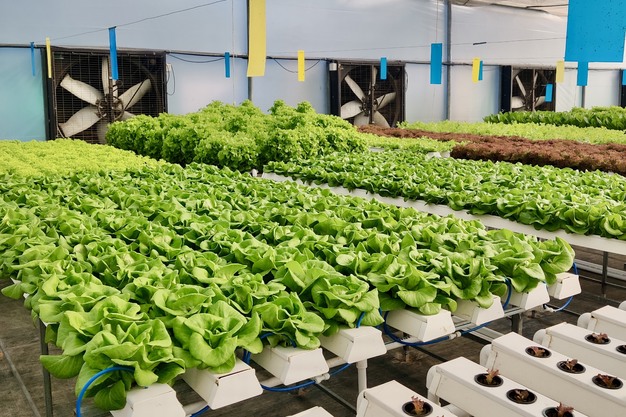
Popular crops include English cucumbers, cherry tomatoes, bell peppers, basil, mint, and leafy greens. Demand for exotic vegetables and specialty produce continues to grow, a trend Bhatt attributes to fine dining restaurants, luxury hotels, and social media influencers who have made exotic produce familiar in Indian households. Currently, Brio focuses on delivering fresh produce from farm to plate, with minimal handling. "The vast majority of hydroponically grown produce in India is delivered fresh," says Bhatt, emphasizing that freshness, flavor, and nutrition are key considerations.
At present Brio's latest project, Unnati, is focused on building a 100 acre hi-tech hydroponics park in Gujarat, aimed at making high-value farming accessible on a larger scale. Looking ahead, Bhatt sees automation, AI-driven monitoring, and integration with renewable energy sources as factors that will improve efficiency and growth. "With the right mix of innovation, collaboration, and awareness, we believe hydroponics will transform the way India grows and consumes food."
For more information:
Jay Kumar Bhatt
Brio Hydroponics
Tel: +91 98799 48083
Email: [email protected]
www.briohydroponics.com