A new passive solar steam generation system developed at the University of California, Davis with multinational collaboration, may offer a breakthrough in greenhouse wastewater management, reducing both operational complexity and water discharge volumes. Developed by Dr. Amrit Kumar Thakur (a Postdoctoral Researcher) and team under Supervision of Dr Shamim Ahamed, in the Department of Biological and Agricultural Engineering (CEE Lab, UC Davis) in collaboration with several global universities, the novel system is designed to help controlled environment agriculture (CEA) facilities move toward zero-liquid discharge (ZLD) while minimizing energy and maintenance demands.
"Evaporation ponds have long been the standard for handling nutrient-rich greenhouse drain water," explains Dr. Thakur and Dr Ahamed. "But they're land-intensive, slow, and increasingly incompatible with modern water regulations."
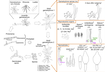
The UC Davis research team has created a photothermal interfacial solar steam generation (ISSG) system based on a composite foam made from MXene nanosheets and candle soot. This material floats on wastewater, absorbing sunlight to rapidly accelerate evaporation, without the need for external power, moving parts, or high-tech membranes.
More water recovery, smaller footprint
Unlike evaporation ponds that expose brine to the open air, the ISSG system operates in a localized, contained format, reducing land requirements and preventing salt crusting or wildlife interference. Water vapor is collected via a simple condenser and can be reused in hydroponic systems.
"The system achieves higher solar-to-thermal conversion at the water's surface than open ponds," he says. "You get more evaporation per square meter, and because it's modular, growers can scale it based on their drain volumes and sunlit area."
Evaporation experiments showed the system achieving 0.65 kg/m²/h with fertilized brine and 1.11 kg/m²/h with seawater, maintaining 85% performance over 25 cycles. The recovered condensate met quality standards for hydroponic reuse.
Drop-in ready with minimal maintenance
Importantly for commercial growers, the technology is designed to work alongside existing hydroponic setups. No changes to nutrient recipes, irrigation plumbing, or HVAC systems are needed.
"It's a drop-in side-stream module," says Dr. Thakur and Dr Ahamed. "Just a low-lift recirculation pump and a basic condenser. It avoids consumables, high-pressure equipment, and complex pretreatment."
The MXene-candle soot coating is anchored to a chemically resistant, open-cell foam that tolerates high salinity and repeated wet-dry cycles. Maintenance is straightforward: periodic rinsing to remove salt deposits and standard sanitation.
Meeting the challenge of tightening water regulations
With water discharge limits tightening in many regions, particularly concerning total dissolved solids (TDS) and nutrients, the system offers a proactive solution.
"By recovering reusable water and reducing the volume of liquid waste, the system supports regulatory compliance. It also simplifies sampling and reporting, which can be burdensome with large evaporation ponds."
Because it reduces both water purchases and brine hauling/disposal, the ISSG system presents a cost-saving opportunity as well, especially in water-stressed regions or where land use is limited.
Field trials and publication in progress
The system has already demonstrated reliable performance in lab tests using fertilizer-rich brines mimicking real greenhouse wastewater. Trials with actual drain water are currently being planned.
"We've seen stable flux and distillate quality in the lab," he notes. "Field pilots are the next step, and we're optimistic about long-term reliability."
"Our goal is to offer growers a simple, affordable pathway to reuse water while meeting compliance," says Dr. Thakur and Dr Ahamed. "This system addresses long-standing limitations of evaporation ponds and aligns with the industry's move toward closed-loop, resource-efficient operations."
Read the full study here.
For more information:
Controlled Environment Engineering Lab
Dr Amrit Kumar Thakur
[email protected]
Dr Dr Md Shamim Ahamed
[email protected]
ceelab.ucdavis.edu