If you know how plants, in general, make the chemicals they need to survive, you can, in theory, predict how they perform this trick for about any substance plants can make. Dutch scientists made a new digital tool called MEANtools that helps uncover how plants produce their natural substances, reducing laboratory work significantly.
Plants make a wide variety of special chemicals, also called specialised metabolites. These substances protect them from diseases, attract insects for pollination, or help them adapt to tough conditions. But how plants make these substances is still a mystery in many cases.
That's where MEANtools (Metabolite Anticipation tools) come in. This smart computer programme can scan through large amounts of data, such as information from a plant's DNA, the activity of its genes, and the chemicals found in it, to find clues about how these substances are made. And the best part? It doesn't need any starting guesses or preset targets. It finds patterns all on its own. This reduces the need for laboratory work, since scientists can now target their search based on MEANtools results.
To test the tool, researchers used it on data from tomatoes. MEANtools correctly figured out most steps in how tomatoes make falcarindiol, a natural compound thought to help fight off fungi. Even more exciting, it also found new possible production routes scientists didn't know about before.
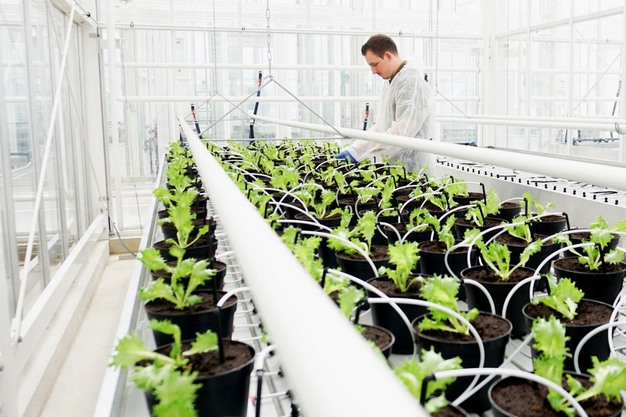 © Maastricht University
Venlo
"This project is a big leap forward in how we can use modern data to uncover the secrets of plant chemistry," said Kumar Saurabh Singh, lead author of the study, who works at Maastricht University's Brightlands Future Farming Institute in Venlo. "MEANtools can be used for more than just plants, it could help us understand complex biology in other organisms too."
 © Maastricht University
The software is freely available for anyone to use, and it's expected to help scientists working on plant research, drug discovery, and biology in general. MEANtools is a joint effort by scientists from Maastricht University, Wageningen University, and Utrecht University.
Source: Maastricht University