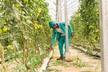
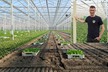
It is a relatively busy time for Brittany-based cooperative Solarenn. The tomato season - the flagship product of the cooperative - is currently in full swing. "All the varieties are in production. We harvest around 1,000 tons a week," explains Isabelle Georges, Solarenn's managing director.
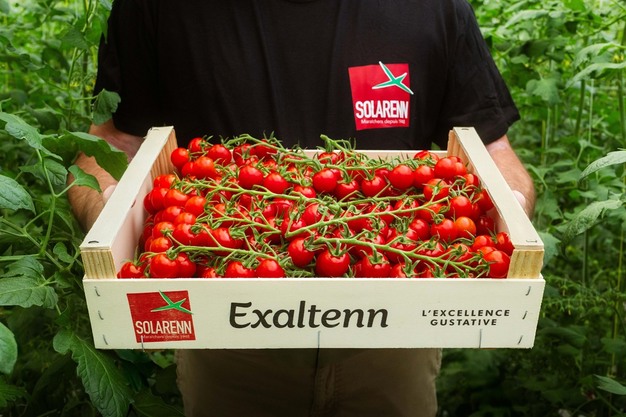 © Solarenn
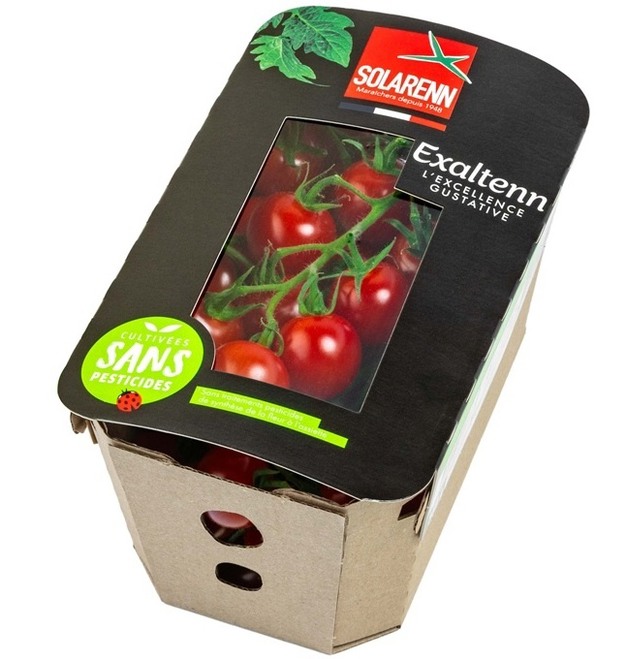 © Solarenn This increase in production has fortunately coincided with a boost in consumption, in a market that was particularly difficult just a few weeks ago. "The market for cherry tomatoes in particular was extremely poor in May, leading to high stock levels. Competition from foreign products was very tough in May. It then eased off a bit in June, and over the last couple of weeks, we have been able to turn things around. Trading has been very dynamic, and we are now working with much more comfortable stock levels. As a result, quality can remain stable over time, and we hope that this situation will continue."
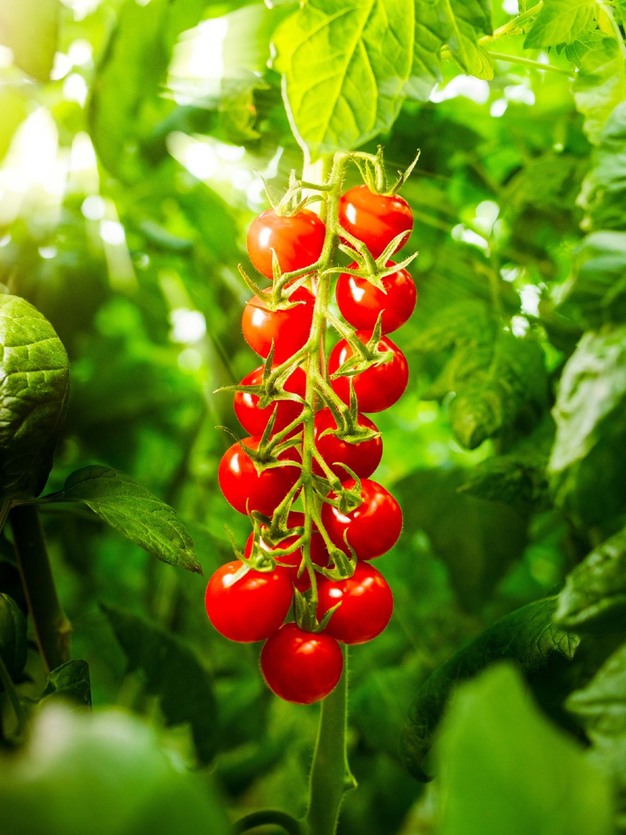 © Solarenn As for the hot weather, it has had no impact on the quality of the fruit harvested, but it may have an effect on the September volumes. "Although we did not reach peak temperatures in all regions of France, we did record temperatures of 36-37°C. High temperatures affect pollination, and contrary to popular belief, tomatoes do not tolerate them. We still do not have a clear picture of the impact of these high temperatures on the September harvest. We already know that the flowers have been affected, but the consequences vary from one variety to another. We need to wait for the plants to deflower a little so we can better assess the situation."
For more information:
Nathalie Jouan
Solarenn
[email protected]