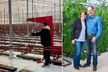
Volodymyr Rozhko, a farmer from the Kherson region, lost his greenhouse complex in 2022 due to Russian occupation. His village, Dnipryany, was on the frontline. The site is now mined, and part of the greenhouses were destroyed. He evacuated with no equipment and restarted from scratch.
In 2023, Rozhko relaunched his business in Kryvyi Rih. Today, his company GreenElevation LLC, builds greenhouses across Ukraine and Moldova and cultivates vegetables and berries on 0.5 hectares of owned land.
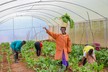
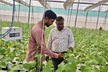
Rozhko currently operates four greenhouses: 1 for tomatoes (400 m²), 2 for strawberries, and 1 for seedlings.
Every two days, the strawberry greenhouses yield 100–200 kg of premium berries. He sells his strawberries for up to UAH 220/kg ($5.50), even competing with cheaper imports. "Our berries are tastier and of better quality," he says.
The tomato house contains 10,000 plants, with an expected harvest of 30–50 tons by summer 2025. In winter, he grows spinach and dill. An earlier experimental tomato harvest in 2024 brought in 20 tons.
The company also installs greenhouses for clients. A standard galvanized 500 m² greenhouse costs around UAH 320,000 (approx. $8,000); with heating, the price doubles. The team builds up to 10 greenhouses/month, mostly in Kyiv and Odesa regions.
Rozhko sees greenhouses as key in a warming climate. "Field farming is now a weather lottery. In greenhouses, you manage the risks," he says.
To secure resources, he invested in land, in drilling a 150m well, and, in electricity access. Water quality remains a challenge after the Kakhovka dam was destroyed, so the farm uses custom nutrient solutions.
Rozhko's business model blends production, construction, and consulting. Through social media, he shares farming tips and receives client leads, even international contracts.
Before the war, he focused on tomatoes, strawberries, and grapes. His business included 14 installation workers and year-round harvests. While rebuilding, he continues adapting: testing new tomato varieties, managing logistics, and training young farmers. His most successful variety of tomato, Pink Hit.
"I lost everything: greenhouses, income, life as I knew it," he says. "Now I'm building again, smarter, step by step."
Small and medium-sized businesses form over half of Ukraine's economy. Their representatives cannot lobby for their interests like large corporations do, but they consistently adapt to changing conditions and find new paths for growth. Their stories are not about quick riches, but about commitment, resilience, sharing knowledge, and driving Ukraine's recovery.
Source: epravda.com.ua