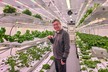
This study investigates the current application and aging effects of various Zn sources on acidic Mediterranean soil.
Two successive lettuce crops were grown in soil fertilized with 0, 15, 30, 60, and 140 mg Zn kg−1 using commercial ZnO nanoparticles, Zn complex, and Zn sulfate. Plant growth, Zn biofortification, dietary implications, human health, and soil Zn status were evaluated. Zinc bioavailability was influenced by the source, application rate, and chemical aging. The bioavailability of Zn in the soil increased from 4.60 to 66.7 compared to the control treatment. Zinc applied in the form of ZnSO4 was the most bioavailable form in the first year of cultivation. Advanced specialty fertilizers such as ZnO nanoparticles and Zn-lignosulfonate, along with the conventional fertilizer ZnSO4, demonstrated a residual effect allowing effective Zn uptake by plants in the second crop. Zn concentrations in lettuce leaves were 3.33–34.6 times higher than the control treatment. Application of 30 mg Zn kg−1 and higher of commercial ZnO nanoparticles, Zn complex, and Zn sulfate heptahydrate resulted in some toxicity. Higher application rates of these sources may pose a potential risk to the population, as indicated by the health risk index. These Zn sources represent a promising alternative for enhancing plant growth and providing a sustained release of Zn in several successive crops, making them a potential alternative to conventional fertilizers.
Their unique properties can optimize nutrient management strategies and promote sustainable crop production.
de Francisco, M.; Ortiz, R.; Obrador, A.; Gonzalez, D.; Gascó, G.; Almendros, P. The Effect of Complexed, Nanosized, and Conventional Zinc Sources Applied at Varying Rates to an Acidic Mediterranean Soil on Two Successive Lettuce Crops. Agronomy 2025, 15, 896. https://doi.org/10.3390/agronomy15040896
Source: MDPI