As global temperatures have steadily increased over the past decades, studying the impacts of heat stress on morpho-physiological traits and economic yields of horticultural crops have been increasingly gained attention by many scientists and farmers. Hot pepper (Capsicum annuum L.) is an important vegetable crop mostly grown in open fields in South Korea.
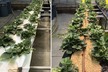
In this study, the impacts of prolonged heat stress on three hot pepper genotypes differing by levels of stress susceptibility were evaluated. The study was conducted in two different temperature-controlled greenhouses for 75 days. Forty-eight days old plants were grown in control and heat-treated greenhouses where the temperatures had been set at 30 °C and 35 °C during the day for 75 days, respectively. Morphological, physiological, and nutrient characteristics of three accessions were measured.
All hot pepper accessions were enabled to recover from prolonged heat stress exposures within approximately a month. The phenomenon of recovery was observed in some significant morphological and physiological characteristics. For example, the plant growth rate and photosynthesis rate significantly increased after 40 days of heat treatment. The heat stress sensitivity varied between genotypes.
The plants that produced more fruits over biomass at an early stage of heat treatment had a relatively slow recovery, resulting in the largest yield loss. This key morphological characteristic can be used for future breeding programs to adapt to prolonged heat stress.
Kim, M.K., Jeong, H.B., Yu, N. et al. Comparative heat stress responses of three hot pepper (Capsicum annuum L.) genotypes differing temperature sensitivity. Sci Rep 13, 14203 (2023). https://doi.org/10.1038/s41598-023-41418-5