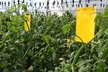
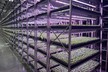
Colony collapse disorder, a phenomenon where bees die for mysterious reasons, caused alarm in recent decades and spurred a flurry of “save the bees” campaigns — because bees are needed to pollinate the plants that provide our food. But Emily Speiser, VP of marketing for BloomX, says we’re buzzing around the wrong bee.
While colony collapse disorder mainly affects wild bees such as bumblebees, farmers generally use honeybees for pollination – even though they’re not as good at the job as wild bees — because they’re easier to transport and manage. The problem with honeybees, Speiser explains, is simply that we need a whole lot more of them as the world’s food needs grow.
BloomX is combating the honeybee population crisis with robo-bees. Robo-bees can bypass limitations introduced by some countries on “foreign” bees. Colombia, for example, prohibits bringing in honeybees that are not native, Speiser explains. BloomX is focusing primarily on pollinating blueberries and avocados for now.
“These are cash crops, and we wanted to show a high ROI,” Speiser explains. “Blueberries are expensive. Avocados, too. We wanted to reach out to growers who will be able to immediately see the value we bring with high revenue coming from a significant yield increase and improved fruit quality.”
Read more at israel21c.org