Adults and children everywhere are opting more and more for new varieties of fresh produce that don’t require any special effort or preparation. In response to this global trend in healthy veggie snacking, Hazera has developed the Camelot Tomato.
For about 15 years, growers have been harvesting tomatoes while still green, and letting them ripen and redden during transportation. In this case, however, Arjan van Steekelenburg explained to us that: “Unlike most tomatoes of this kind, the Camelot should not be harvested too early. In order for it to reach full potential, growers must let it ripen on the vine, and pick it only once it has reached its unique shade of red. Nobody can manage the ripening process better than the plant itself. You just need to get the timing right for great results. From the moment the tomatoes are harvested, as they move along the entire supply chain and up to the consumer’s table… or often lunchbox nowadays, they will keep fresh and tasty for up to 20 days.”

Arjan van Steekelenburg
And that is an amazing figure by any standards. Growers will fully reap the benefits once they make this shift in their minds. Not only them but the entire supply chain will be optimized because, from the time they get on the retail shelf, Camelot tomatoes still have between 7-12 days of freshness left. As consumers, we can buy a larger weekly supply for our homes, knowing that if not on this weekend, we can still enjoy them the next one. Chances of that are slim though because after tasting them, we don’t think anyone can resist eating them for so many days:)
The best part is that everyone gets to benefit from these advantages: growers, distributors, retailers, grocery shoppers, and whoever else consumes food at home.

Juan Jeronimo Montes
Juan Jeronimo Montes says: “We believe Camelot tomatoes represent a revolution in the sector for other reasons too. Even in regions with varying climates like Morocco and Spain, they can be grown and harvested all year round, throughout the seasons. These are highly productive plants that make for very profitable business, while consumers get more value for their money. Our team works closely with growers and distributors in these countries, providing advice, technical support, and assistance, regardless of location, growing method, or external conditions.”
Growers are tempted out of habit to harvest tomatoes green. These pictures illustrate how the fruit develops within 17 days, depending on the stage it was at when harvested:
Day 1 (harvest):
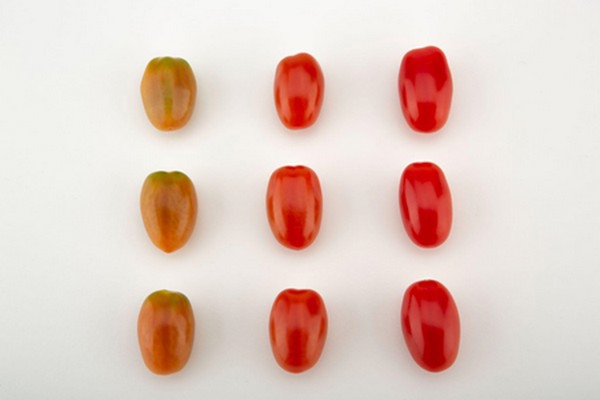
From left to right: Too early, right on time, too late
Day 17:

From left to right: Too early, right on time, too late
It is clear that when Camelot tomatoes are harvested at the right time, red and ripe as shown on the middle column, they remain fresh and with great taste, brix, and no cracking on day 17.