Intrexon is advancing GreenVenus Romaine lettuce to commercial trials. Initial data under commercial indoor production conditions indicate that GreenVenus has improved shelf-life up to 2 weeks and a potential for higher marketable yield with no tip burn. In addition, GreenVenus non-browning lettuce has been assessed by the United States Department of Agriculture (USDA) and determined not to be subject to regulation under 7CFR Part 340 for plants altered or produced through genetic engineering.
"We are focused on developing new approaches in precision genetics to enable more sustainable food production as well as reduce food loss and waste," said Sekhar Boddupalli, PhD, President of Intrexon's Ag Biotech Division. "We are pleased to rapidly advance our GreenVenus lettuce with improved marketable yield and shelf-life from concept to commercial trials within 2 years. The USDA's transparent, risk-based decision helps clarify the path to market for our GreenVenus (non-transgenic) lettuce and greatly facilitates our efforts to expand our precision genetics platform to other vegetables."
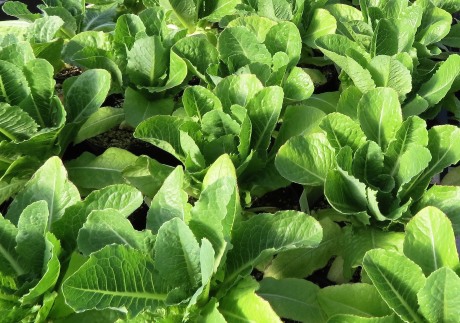
Intrexon GreenVenus Lettuce
"We look forward to continuing our work with our collaborators and value chain partners as we advance this exciting product toward commercialization," added Thomas P. Bostick, PhD, PE, NAE, Chief Operating Officer and President, Intrexon Bioengineering.
The retail value of leafy greens is estimated at $10B annually in the US. Further, it is estimated that ~$3.3B worth of lettuce is lost due to waste each year, half of which is the Romaine type. Non-browning lettuce can allow for more flexibility in production, processing, shipping and storage to help reduce the waste of healthy, nutritious food. As the company looks to advance this product in development toward commercialization, standard food and environmental safety considerations still will apply to this product prior to introduction.
For more information: Intrexon
www.dna.com