Netherlands: Seed companies invest millions in research for new vegetable varieties
Vegetable seeds must produce as much food as possible. And be immune to diseases. "We continue to work on these issues," says Timmerman. "The more intensive vegetables are grown, the faster disease can develop. This we notice for example in the United States, where almost all spinach for the U.S. market is grown in a single 200km valley. We must continue to find an answer for new fungal diseases."
Companies like Pop Vriend offer an ever wider range of vegetables, due to customer requests. Not only in the rich West. The seed companies expect that other continents will eventually also request more different vegetables. "We are now engaged in the breeding of vegetables specifically for the Asian market."
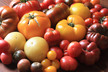
Dutch retail customers already notice an increasing range. Vegetables are increasingly available in different types and sizes. And are often mixed with other vegetables.
Convenience products, such as ready-to-eat salads, make up an ever-increasing part of the supermarket shelf. For familiar suppliers like HAK, Bonduelle, Del Monte and Iglo, Pop Vriend has been breeding varieties since the seventies. Varieties that are less susceptible to diseases, offer more yield and taste fuller. "And are healthier," stresses Timmerman. "Worldwide, health food is becoming increasingly important. People increasingly want to eat as organic as possible, without the use of crop protection. Therefore we need to develop varieties that have high disease resistance."
Source: GreenPort NHN