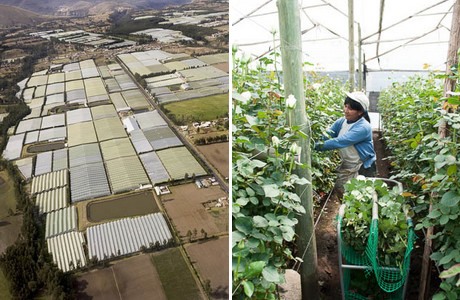
Established in 1992 in the Pinchincha province in Ecuador, Royal Flowers began growing roses in a 40-hectare greenhouse. Four years later, they opened another poly greenhouse in the Cotopaxi province to bring their total footprint to 105 hectares and their total workforce to 1,700 workers. Though they mainly grow tea and spray roses, they can produce over 160 varieties of roses, and they're looking into diversifying into hydrangeas. But although they're researching an expansion into different flower varieties, Royal Flowers' Peter Kertesz noted that they will always focus on their core competencies.
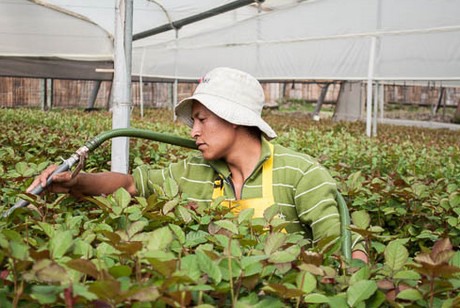
“There's no secret as to how to get the best quality,” said Kertesz. “Every grower knows how to do it, it's just a matter of executing.” Strict adherence to standards regarding plant maintenance, labor, fertilization, disease control, cleanliness and proper handling is what makes for the kinds of high-end roses Royal ships. While maintaining those high standards, they've found success by becoming the second-largest grower in Ecuador by land and the country's largest exporter of roses. With almost 2 million stems per week harvested for export, they split their exports between the U.S., Europe and Russia. Their growth has allowed them to develop a robust marketing arm, and that, in addition to their experience in the export market, has allowed them to also market production from smaller local growers.

“There were many smaller Ecuadoran growers who didn't have enough production or marketing know-how to export their flowers,” explained Kertesz. “At the same time, some of our customers were looking for different varieties of flowers, but in quantities that didn't make it easy to acquire them.” That push-pull situation prompted Royal to set up a different brand under which they market the different varieties of flowers they don't grow.
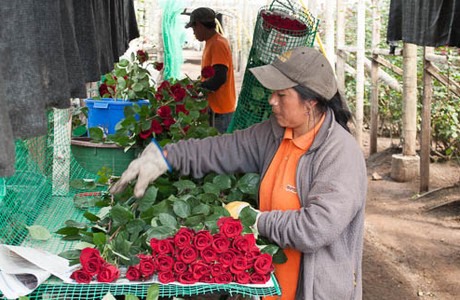
None of Royal's roses go to auction, and all of what they grow goes directly to foreign importers and wholesalers. Kertesz said that offers them the stability necessary to focus on steadily growing their business in new markets. As they grow, they run into other producers from countries who can grow flowers at a lower cost. But Kertesz noted that they're not really going after the same markets as the low-cost growers.
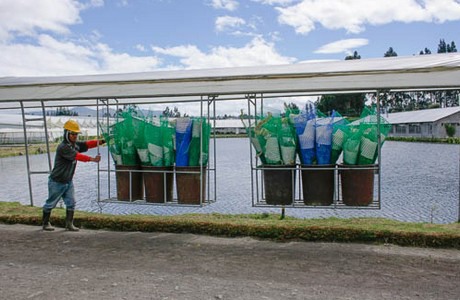
“China is a growing market for us, but we're only able to sell there because we offer something that is unique,” said Kertesz. There are plenty of people who grow and sell roses in China, so if Royal brought the same quality of flowers as the local growers, they would get nowhere. Instead, they're able to offer consistently bigger bulbs, longer stems and overall better roses that can maintain their freshness for a long time. Though he noted that Chinese growers, as well as Kenyan growers, have been making strides in the quality of roses they grow, the process of growing top-notch flowers takes a long time. In the meantime, Kertesz said that Royal has an advantage because of what they've focused on since 1992.
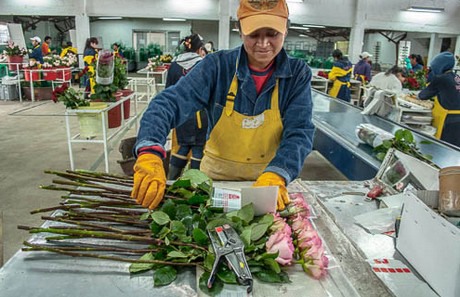
“We want our customers to open up the box and have no surprises in terms of getting the best quality,” said Kertesz. “We know how to do that, and we do it.”
 For more information:
Royal Flowers
www.royalflowersecuador.com