AU: New approach to growing baby-leaf lettuce
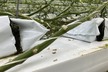
“The durable and lightweight covers are draped over the crop and secured to the ground so that they appear to float above, creating an impermeable barrier between the plant and its external environment that thwarts insects, birds, hail and other foreign objects,” said AUSVEG Spokesperson, Hugh Gurney.
The recent study demonstrated floating crop covers’ exceptional capacity for trapping heat and mitigating the effects of wind, generating a humid environment in which vegetable plants can thrive.
“The project identified extensive benefits for the retention of soil moisture and promotion of active plant growth in baby-leaf lettuce.
“Covers are left on the crop for the full growing phase, four to five weeks, and removed just prior to harvesting. They are light and easy to manage.
“This technology is not limited to use with baby-leaf lettuce but can also be deployed on wider bed plantations such as baby spinach, Asian greens, head lettuce and even root vegetable crops.
“Last December’s extreme heat event in Victoria caused various vegetable lines to mature much earlier than they normally would, leading to an overabundance of produce on the market. Crop covers may have prevented such a phenomenon,” Mr Gurney said.
It was also found that despite costing marginally more, European crop covers were superior, more durable and performed better than those produced in Asia.
Source: Ausveg