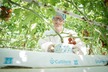
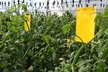
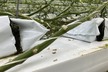
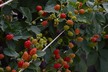
"The main crops over there were tomato and onion," says Vooijs on the 10-day trip. "Mostly local cultivation. When we were there, we ate it every day. The products are domestic. No hybrid tomatoes, but wild varieties."
Agriterra, set up by farmers' organizations and cooperatives in the Netherlands, supports growers and farmers united in a cooperation in their fight against poverty. In Ethiopia, over seven thousand farmers are active in the cooperation Meki Batu Union. They sometimes deliver to the cooperation, sometimes to traders, sometimes through brokers. The position of producers is very poor in the country. Most of them are at the mercy of a few traders. "They sell individually and there is always one that yields to the lowest price. This settles the price for everyone else that day. In addition, there is a lot of under-the-table stuff going on. Uniting in a single cooperation prevents this sort of thing.”
The pair not only visited growers and cooperatives, but also the markets. Vooijs: "We were made welcome, even by the merchants. They showed their methods and explained things for us. Every day you get a little more information, a little more insight.”
But it wasn’t all sightseeing. During the trip Vooijs and Rodenburg wrote recommendations for the client, Meki Batu Union, the largest producer in the country. "The advice you offer is sometimes very small. You really have to take baby steps here. Only then do you achieve anything." As an example, he refers to the journey that Richard and Edwin van der Maden made to Kenya on behalf of the Greenery. "They advised a seller to move his business to a busier corner. Simple things like that.”
For more information
AgriTerra
Foto's from Jacco Vooijs and Wim Rodenburg