After three years of research into illuminated tomato cultivation in the Netherlands, interim results have been shared from a large-scale study led by Signify and Grodan. One of the key conclusions: it is feasible to grow healthy tomatoes under full LED lighting with a 50% reduction in heat input. The trial, hosted at Botany and located in Horst, is still running and full results, including production figures, will be published once the season concludes after week 17.
While the findings are promising, grower Jan-Willem Bolle of Noordhuys urged caution in drawing conclusions too quickly. With 11.5 hectares under LED cultivation, Bolle noted that the study lacks a cost breakdown for the production achieved. He also pointed out that researchers can push boundaries, for example in nutrition management, that commercial growers cannot afford to test. When something goes wrong on tens of hectares, financial losses can run into hundreds of thousands of euros. Translating research outcomes directly into commercial practice is not straightforward.
An additional concern Bolle raised is that policymakers in The Hague follow this type of research closely. Results as significant as these, he warned, require nuance that can easily be lost when findings are communicated publicly, particularly in the context of the energy crisis of 2021–2022.
Researchers and attendees at the event acknowledged these practical concerns. The three-year study was set up specifically to provide growers with practical tools to optimise full LED cultivation.
 © Thijmen Tiersma | HortiDaily.com
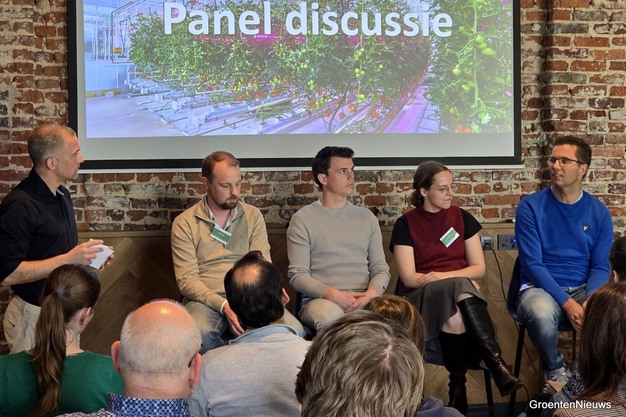
Matthijs van den Beukel, Jan-Willem Bolle (Noordhuys), Bram Rongen (Botany), Evelien Rossiers (Research Center for Vegetable Cultivation) and Willem Valstar (Stargrow Consultancy) led the panel discussion
Guidelines for practice
Cherry tomatoes were grown during the first two years of the trial. In the third year, at the request of the industry, a large truss tomato was grown: the variety Macxize from Axia. New focus areas in the third year included uneven fruit colouring (colour disorders) and the introduction of inter-lighting.
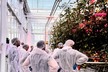
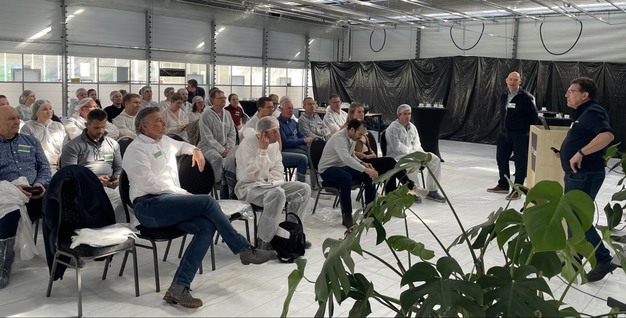
Participants began the day with a visit to Botany to observe the trial first-hand — inspecting the crop by sight and touch. Afternoon sessions featured presentations on light and climate management, irrigation, and nutrient strategy.
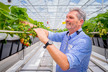
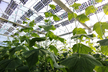
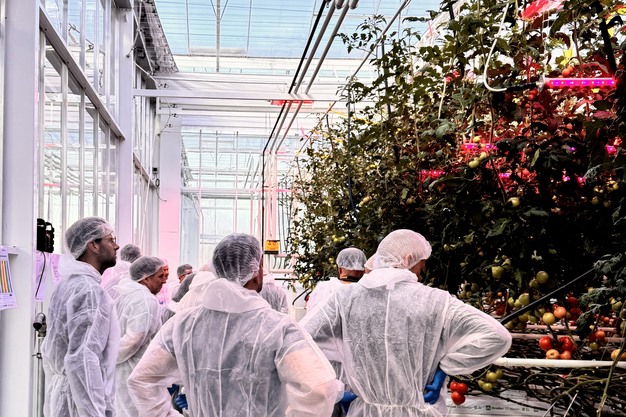 © PhilipsView inside the 256-square-meter greenhouse at Botany. The 30-week cultivation started in week 39 and runs through week 17. The Macxize variety from Axia was grown at 3.73 stems, with five fruits retained per truss.
Uneven coloring and light use efficiency
Cherry tomatoes were grown during the first two years of the trial. In the third year, at the request of the industry, a large truss tomato was grown: the variety Macxize from Axia. New focus areas in the third year included uneven fruit colouring (colour disorders) and the introduction of inter-lighting.
Participants began the day with a visit to Botany to observe the trial first-hand, inspecting the crop by sight and touch. Afternoon sessions featured presentations on light and climate management, irrigation, and nutrient strategy.
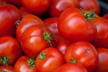
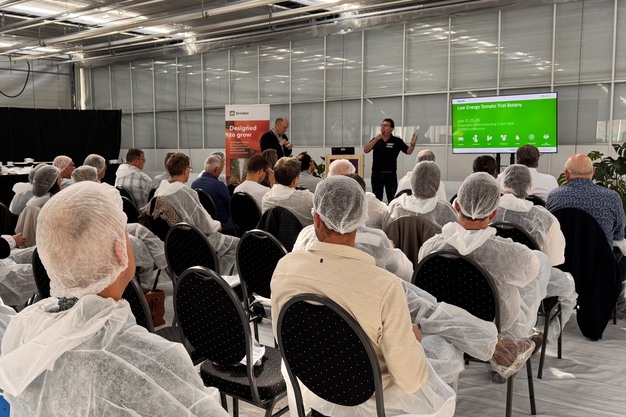
The panel discussion that closed the event addressed topics including colour disorders and light use efficiency under LED. A notable finding is that researchers were able to reduce colour disorders by working with a lower heat input.
Adjusted nutrition strategy
An adapted nutrition strategy also contributed to maintaining high quality in large truss tomatoes. During the winter cultivation period under LED, researchers identified an approach not only to understand green patches and uneven colouring, but also to predict and prevent them. By managing a higher potassium-to-nitrate ratio and a lower EC, both yield and quality could be maintained, as presented by Ruud Kaarsemaker of Normec. The trial made extensive use of sensors from Wireless Value and Grodan, among others.
 © Philips
Inter-lighting
A notable technical element of the trial was the use of inter-lighting alongside top lighting, in greenhouses equipped with Ridder screens. Two light treatments were tested: one using 350 µmol top lighting from Philips only, and a second combining 247 µmol top lighting with 103 µmol inter-lighting, both from Philips.
The combined treatment achieved a yield increase of 5–7%. Commercial growers present indicated this is not yet sufficient to justify the investment in their own operations, but the result may provide grounds for further research. One question raised was whether inter-lighting could be compared with positioning an additional grow pipe higher in the canopy, currently the more straightforward investment, and whether inter-lighting might deliver even greater yield improvements.
 © Philips
Dehumidification
The panel discussion also touched briefly on policy stability, a prerequisite for grower investment, as panel member Evelien Rossiers of the Research Station for Vegetable Production in Sint-Katelijne-Waver emphasised, and on crop protection, a subject that alone could fill another hour of discussion.
The session kept its focus on energy-efficient tomato production under full LED. Dehumidification, according to cultivation adviser Willem Valstar of Stargrow Consultancy, has become an essential component of this growing system. The Botany trial greenhouses were also equipped with dehumidification: the Air&Energy system was used, which additionally enabled air circulation within the greenhouse.
The results presented at the event were shared with a Dutch-speaking audience. Philips and Grodan plan to present the findings to an international audience at GreenTech Amsterdam. Complete results, including full production data, will be released after the growing season concludes.
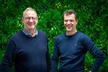
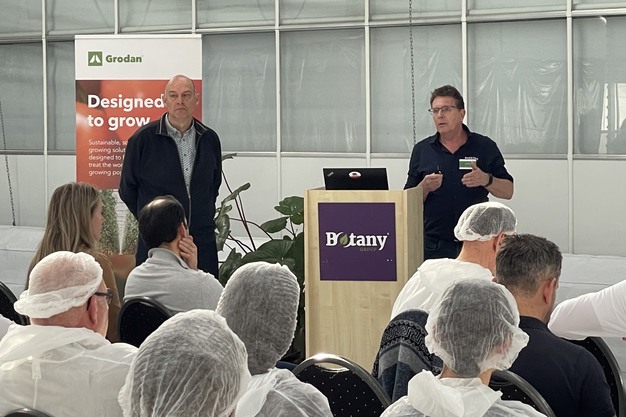 © PhilipsJos Beerens (Grodan) and Marcel Raats (Signify)
For more information:
Signify
www.philips.com/horti
Grodan
www.grodan.com