Colombia's fruit and vegetable sector has maintained a steady growth trajectory in recent years. According to data from Asohofrucol, national production increased from approximately 11.5 million tons in 2019 to 13.7 million tons in 2024, with a technical estimate of 14.2 million tons for 2025, which would represent a year-on-year increase of around 3.6%.
 © EXHCO
"The main drivers behind the growth of fruit and vegetable production come down to two key factors: economies in the hands of small producers who, despite the challenges, rely on this activity as their family and economic livelihood; and consumer demand, as people want access to fruits and vegetables every day of the year, which stimulates demand and the growth of this important subsector," the association explains.
This production structure, widely spread across the national territory, translates into high agricultural diversity, with 88 fruits and 44 vegetables grown across different regions of the country. However, this same fragmentation represents one of the sector's main challenges. "It is important to point out that the biggest challenge facing this subsector stems from the fact that all these production lines are in the hands of small producers. Among the structural strengths, Asohofrucol and the FNFH can proudly point to a production model known as 'Somos Agricultura Tropical', which has allowed the subsector to increase yields, reduce costs, and above all improve both the quality and safety of Colombian fruits and vegetables, with a view to meeting the expectations of national and international markets."
 © EXHCO
"However, the subsector faces a major limitation, namely the lack of resources that would allow us to reach a larger number of farmers with technical knowledge and assistance, which means not all of them are able to benefit from the advantages offered by our model."
Top 5 producing regions for fruit and vegetables
At a territorial level, production is concentrated in departments such as Antioquia, Santander, Valle del Cauca, Meta, and Cundinamarca, which together account for a significant share of national output, within a system where geographic diversity enables year-round supply.
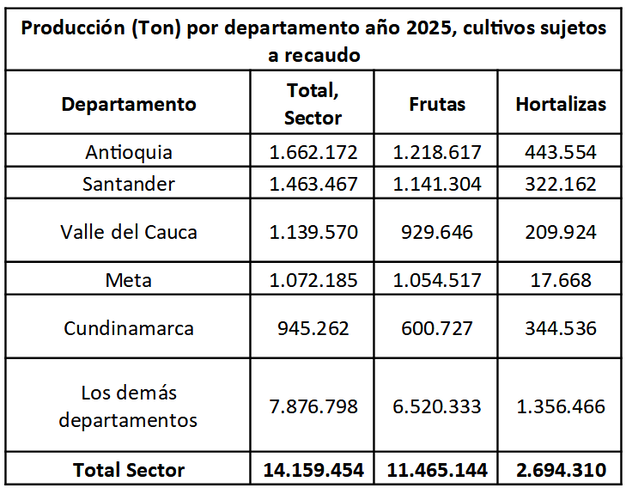 Source: Ministry of Agriculture and Rural Development, Agricultural Evaluations EVA June 2025, products subject to levy collection. Prepared by the statistical professional of the technical and financial area for plans, programs, and projects.
"In terms of technology uptake, Asohofrucol, as administrator of the National Fruit and Vegetable Promotion Fund, has implemented for 10 years the agroecological production model 'Somos Agricultura Tropical', a precision-based model built on four key pillars: soil management, plant nutrition, fauna and flora management, and water resource management. This model is scientifically supported through studies conducted by the research area and through experience gained via integrated technical assistance provided across projects financed with Fund resources."
The adoption of digital tools, sensors, or predictive models is still developing, especially among small and medium-sized producers, where knowledge transfer remains a critical factor.
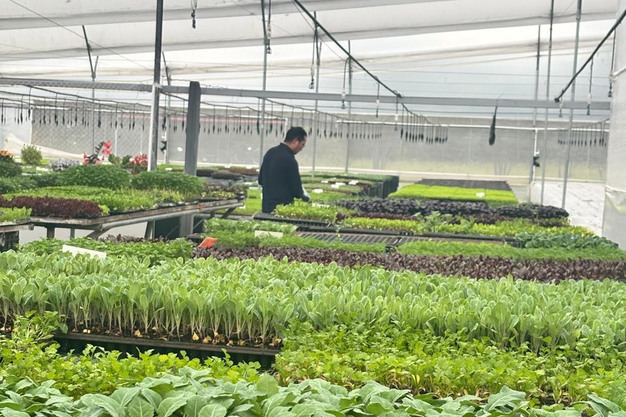
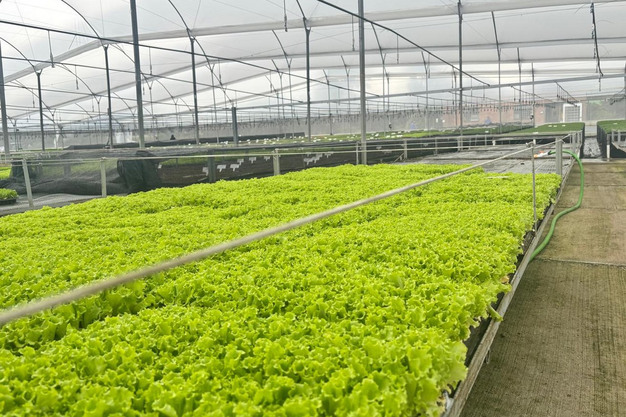
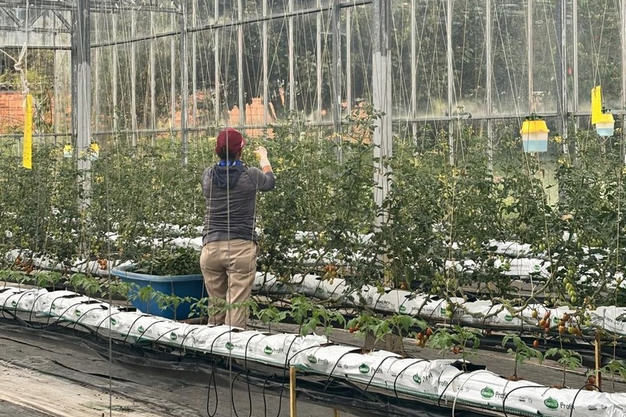
"Greenhouse production, for its part, is used exclusively for production lines that require this type of management. Products such as blueberries, tomatoes, gulupa, and peppers, among others, need to be grown under greenhouse conditions. In this sense, our model has encouraged the safe production of Colombian fruits and vegetables, both in open field agriculture and under cover, depending on the needs of each crop. It is important to highlight that in Colombia, not all crops can be managed in this way, as this is not a determining factor in guaranteeing increased productivity, so its use depends on the specific requirements of certain fruits or vegetables."
 © EXHCO
Exports
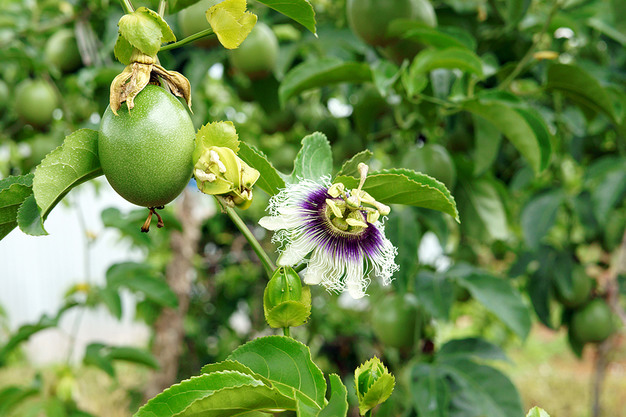
On the international front, fruit and vegetable exports have shown significant growth, reaching a value of 1.045 billion dollars in 2025, up 12.4% compared to the previous year, alongside a 22% increase in volume. Products such as bananas, Hass avocados, and gulupa are leading this expansion, strengthening Colombia's presence in markets such as the United States and the European Union.
However, structural challenges remain. "The export offer is still concentrated in fresh products, with limited development in processing. In addition, logistics costs are quite high, which often makes Colombia less competitive compared to other producing countries. On top of this, there is a significant gap in transit times, as shipments to key destinations such as the United States and the European Union typically take between 7 and 14 days by sea. In terms of the regulatory framework, there are still a number of admissibility gaps that limit the exponential growth of Colombian exports to different markets," they note.
 © Hoxuanhuong | Dreamstime
"Against this backdrop, the EXHCO 2026 trade fair, to be held in Cartagena de Indias, represents a major opportunity for the subsector, as it is the first fruit and vegetable trade fair in the country with international reach."

"This event will showcase the country's production and export potential, as well as growth opportunities, while also helping to map out which production lines should be prioritised to drive planting processes, certification needs, and marketing channels."
The event also aims to attract investment and strengthen commercial partnerships at a time when Colombia's fruit and vegetable sector combines growth, production diversity, and structural challenges linked to its own configuration.
"Additionally, with the development of this trade fair, we expect to gain a clearer picture of international market demand. At the same time, we hope this first edition will capture the attention of commercial partners not only in terms of exports, but also in terms of investment in our country."
 © EXHCOFor more information:
Asohofrucol
Cra 10 No. 19-45 9th Floor
Bogotá, Colombia
T. +57 601 745 62 28
[email protected]
www.asohofrucol.com.co/