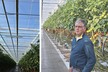
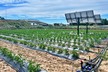
As energy prices continue to fluctuate and sustainability targets tighten, greenhouse growers are increasingly turning to advanced climate‑control technologies to reduce energy consumption. This article highlights two of these technologies — modern dehumidification systems and hermetic screens — and how they work together to create a more stable, energy efficient greenhouse climate.
Dehumidification systems: four categories
In recent years, dehumidification solutions have evolved quickly. Systems generally fall into four categories.
- Outside‑air systems, which draw in drier external air via the roof, screen, or sidewalls.
- Cooling‑based systems, which condense and remove moisture without needing outside air, though they require more electricity.
- Absorption‑based systems, which capture moisture using drying agents.
- Hybrid systems, integrate multiple of the three principles above.
- Hermetic Screens: low porosity, high energy savings
"Hermetic screens stand apart from conventional energy screens due to their non‑porous, tightly woven structure. By eliminating the microscopic holes found in porous screens, they drastically reduce air and moisture transfer between the zones above and below the closed energy screen", the Phormium team comments.
The high degree of air tightness improves insulation, stabilizes climate conditions, and enhances moisture retention — all of which contribute directly to energy savings.
A powerful synergy
When combined, hermetic screens and dehumidification systems reinforce each other:
"Dehumidification systems maintain optimal humidity, improve air circulation, and allow for intensive screen usage. Some systems also allow the recovery of sensible and latent heat.
The hermetic screen ensures minimal heat leakage and a stable temperature over the entire greenhouse thanks to the screen's low porosity. A uniform climate reduces the risk of condensation on crops, enabling growers to operate at higher humidity levels and by doing this lowering plant transpiration and overall energy demand."
 © Phormium nv
Proven in practice
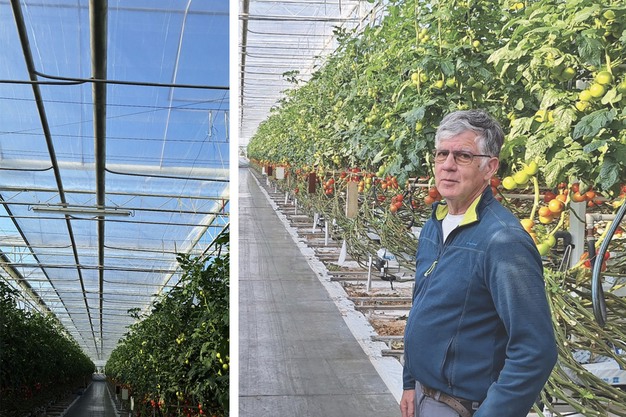
Tomato nursery Pijl LV in Belgium has been pioneering this approach for over 15 years. After discovering that a traditional, porous energy screen created to much variation in the greenhouse climate, the grower switched to a hermetic Phormium screen. A change that immediately improved climate uniformity and allowed full benefit of the system's latent‑heat recovery.
"Combining a hermetic screen with our dehumidification system still yields the best results," says grower Wim Pijl, who recently upgraded to a new Hermetic Clear screen in anticipation of rising energy‑efficiency demands.
More info:
Phormium
Jesse Verbeke
[email protected]
T. +32 499 73 09 09
www.phormium.com