British Tomato Fortnight, the British Tomato Growers Association's annual two-week celebration of the flavourful and nutritious tomatoes grown across Britain, returns from June 1 until June 14 2026.
Conventional British tomato production takes place between March and November, with some growers producing British tomatoes all year round with the help of LED lighting. Against the backdrop of global uncertainty, British tomatoes and other homegrown produce have never been more important. Fruit and vegetable growers across the UK continue to face significant pressures, including labour shortages, supply delays and rising energy costs. British growers are working tirelessly alongside retailers to keep up with consumer demand for fresh British tomatoes.
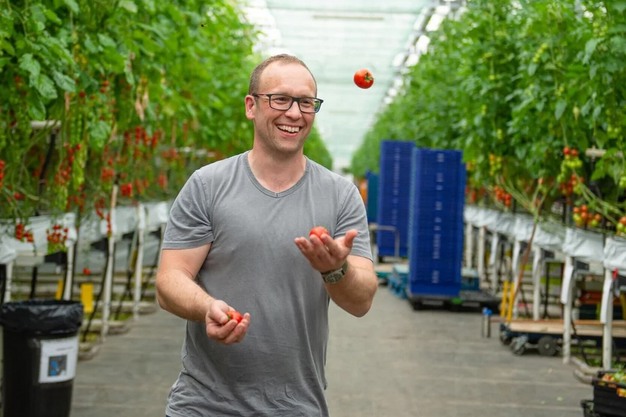 © British Tomato Growers’ Association
The Association encourages shoppers to look out for British tomatoes in their local supermarkets and to tag the organisation on social media when they spot them in store — a simple but meaningful way to support the growers who produce British tomatoes throughout the year.
Recipes and Nutrition
Each year, the British Tomato Growers Association partners with some of the country's leading food experts to develop a range of healthy, seasonal recipes that put British tomatoes front and centre. The recipes are designed to make eating fresh, health-boosting produce as accessible as possible. British tomatoes are rich in nutrients that support immunity, heart health and may help protect against certain cancers. The recipes also reflect the Association's commitment to sustainability, championing produce that is both seasonal and responsibly grown.
Britons have a genuine love of tomatoes, consuming around 500,000 tonnes every year — approximately 160g per person per week, the equivalent of more than 100 tomatoes per person annually. Of the total tomatoes consumed in the UK each year, around one fifth are home-grown.
British-grown tomatoes are widely regarded for their exceptional flavour. Because they are sold locally, growers are able to select varieties on the basis of taste rather than durability, and tomatoes are kept on the vine for longer to absorb maximum flavour before reaching the consumer. This extended ripening process also enhances their nutritional profile.
British tomatoes also carry a lower environmental footprint than imported alternatives, with significantly reduced food miles. British tomato growers are recognised for their innovation and commitment to sustainable practices — from harvesting rainwater to nourish crops to using bumblebees for natural pollination — continuously refining their methods to work in harmony with nature.
For more information:
British Tomato Growers Association
www.britishtomatoes.co.uk