The transformation of the production model in southeast Spain is moving steadily towards increasingly technified systems, where climate control, resource efficiency and data driven decision making make the difference. Based on these principles, Agrolíder has developed an expansion project in the heart of El Ejido, divided into two phases that reflects not only a technological upgrade, but also a business and personal process tied to risk management.
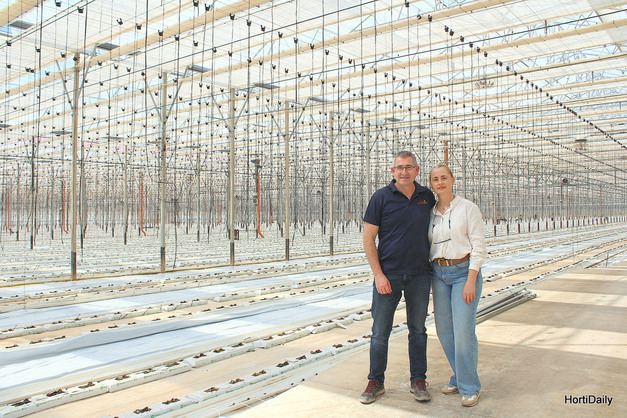
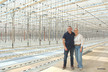
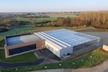
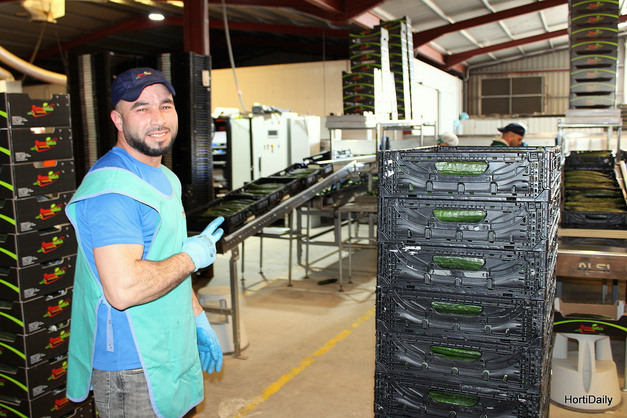
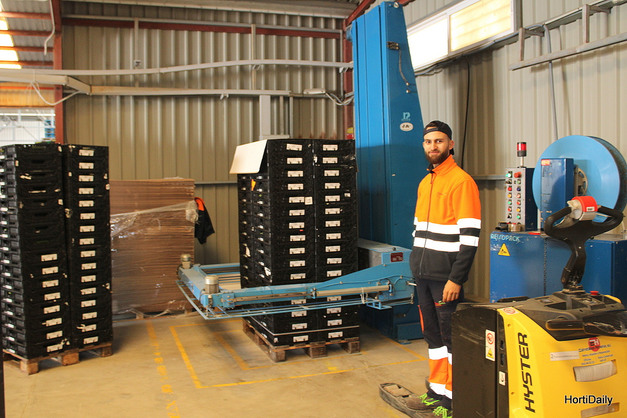
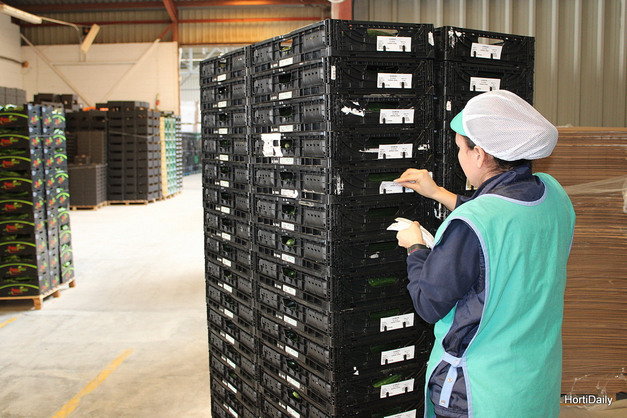
During a visit to Agrolíder's production facilities, which markets under the Romenatur label, Montse, co-owner together with Juanmi, guided the tour through the new greenhouses, phase 1 already operational and phase 2, recently planted for the start of a new cucumber campaign, as well as through the upgraded grading, handling and storage areas. Here, process optimisation and the addition of a second line capable of handling a wider size range have improved management and operational efficiency.
From phase 1 to phase 2: a technological leap
The project has been developed in two phases with clear differences in technological level. Phase 1 already included advanced elements such as technified irrigation, solar panels with an approximate capacity of 96 kW, and climate control systems.
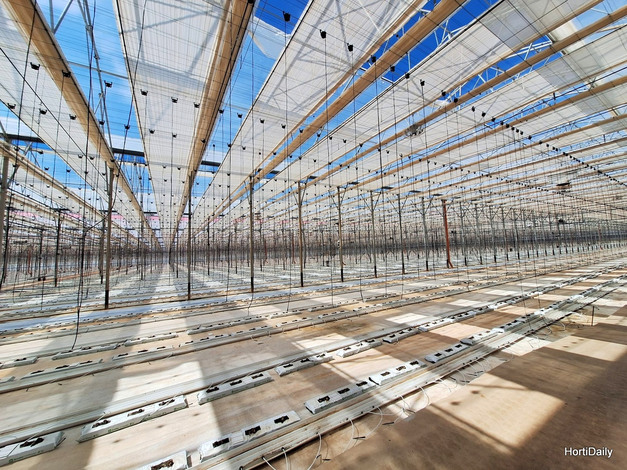
Phase 2 introduces significant improvements:
- Double screen: thermal and shading
- Double lateral band, which improves thermal insulation and acts as an additional barrier against pests.
- Advanced active ventilation, with systems capable of moving, extracting or introducing air.
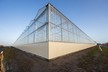
- Greater structural volume, with 16-meter spans and heights of up to 11.5 meters
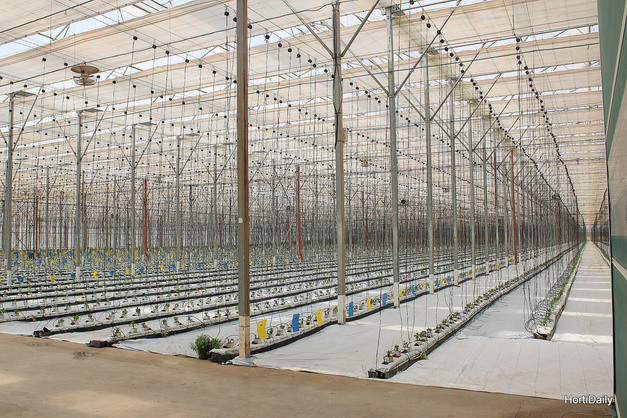
"In addition, humidification and vertical ventilation systems have been incorporated, along with sensors that allow key crop variables to be monitored."
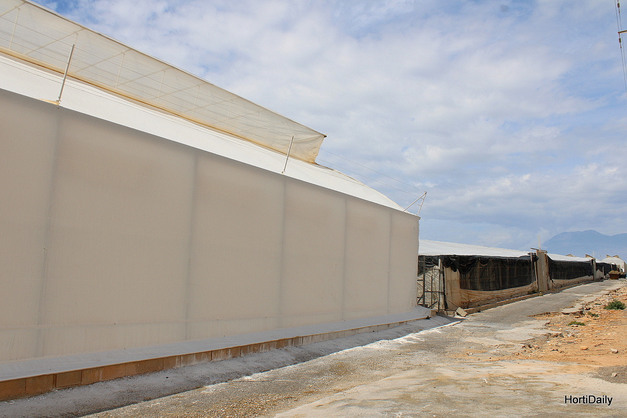
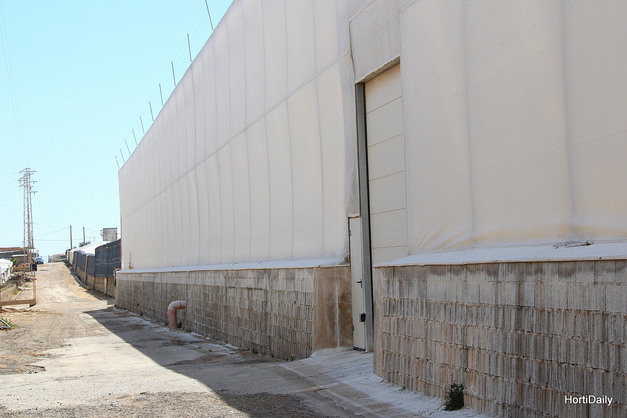 Both phase 1 and phase 2 stand out above the surrounding greenhouses with their 11.5 meters height.
Light, radiation and crop behavior
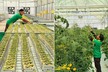
Phase 2 covers an area of approximately 5 hectares and has a planting density of 1.35 plants per square metre, meaning around 65,000 to 68,000 plants are being placed this week in their growbags.
One of the most visible elements is light quality. "Here, the sky is completely clear. That level of radiation shows up later in the crop," Montse explains while walking through the greenhouse, which is preparing for a new cucumber growing cycle.
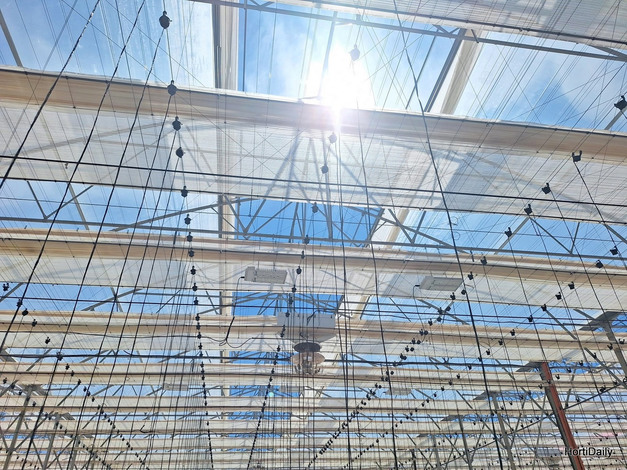
The increased greenhouse volume allows for better light entry and diffusion, directly impacting parameters such as vegetative development and fruit colour. "We see it clearly. Without looking at the label on a cucumber, we know it comes from here because of the vibrant colour it develops thanks to this amount of light."
Radiation control is complemented by innovation trials, such as coloured nets that affect insect visual perception. "It is considered a form of integrated pest management. Different studies have shown that the colour pink disorients harmful insects and reduces their presence. This season we are going to implement plastic films as a trial, and if they work well, it could mean significant savings in treatments."
Water, fertilization and resource efficiency
One of the pillars of the model is efficient water management. The farm is equipped with a drainage collection system that is stored in underground reservoirs beneath the growing area, disinfected and reused for irrigation.
"This system reduces both water and fertilizer consumption, in a context of sharply rising costs. Water prices have increased significantly, as have fertilizers, so saving both resources is key to optimizing costs and improving the profitability of the operation."
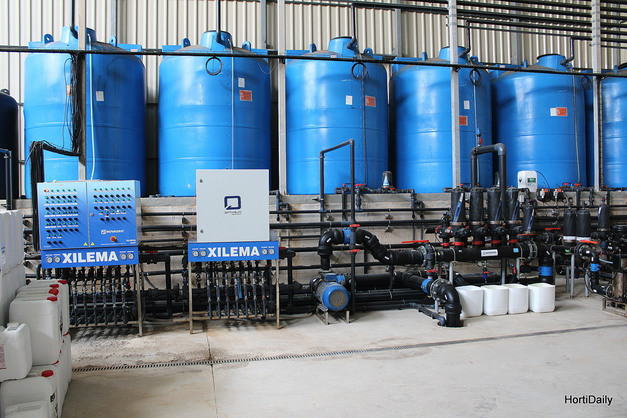
The irrigation and water circulation setup also includes mixing tanks for water and fertilisers, sand filters for purification, and fully automated, efficient plant protection equipment.
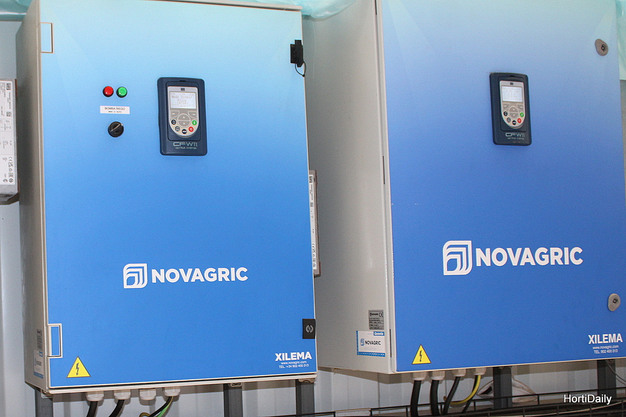
Another key axis of the project is crop digitalization and data driven decision making. "Sensors measure radiation, temperature and humidity, making it possible to adjust in real time to any changes in growing conditions as they occur, and avoid losses."
A campaign shaped by weather
The current campaign has been heavily influenced by a winter marked by low radiation and low night temperatures.
"We have had many weeks of clouds and darkness this winter. Sunshine hours have not been normal, and this has particularly affected cucumbers, whose growth is highly dependent on radiation. You can compensate for cold with heating, but not for lack of light."
"At night, temperatures have dropped to 6 to 7 °C, while at least 12 to 13 degrees are needed to prevent the plant from slowing down. It has been complex. Even so, the economic results have held up, the numbers are there, although it has been difficult to meet programmes due to the lack of production."
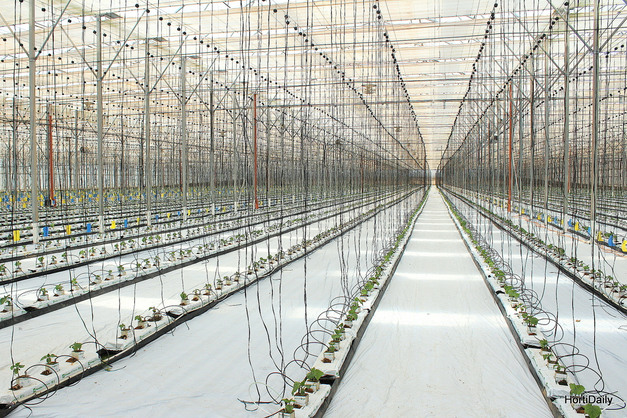
In just a few weeks, the cucumber plants will climb, guided by the reel wire systems installed this season, across the two high tech greenhouses to supply customers across Europe.
The project reflects a clear shift in the sector, one that requires not only financial capacity, but also cultural and mental adaptation. "This is a profession where, beyond managing the crop, you have to be prepared to manage uncertainty. With this project, developed together with Novagric, we know we are closer to securing our profitability and, with it, our peace of mind."
For more information:
Producción Integrada Agrolíder
Paraje la cumbre s/n
04700 El Ejido, Almería
Tel.: +34 645 765 095 / +34 645 769 977
Romenatur
Paraje la Cumbre s/n
04700 El Ejido, Almería (Spain)
[email protected]
www.romenatur.com