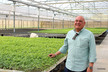
In a company handling millions of tomato plants, plant health is not just another part of the process, it is a non negotiable condition to maintain customer trust. At Semilleros El Plantel, that requirement becomes even more evident when dealing with a pest like Tuta absoluta, one of the most persistent and delicate issues in tomato production. This is precisely why the company's experience with Biocaptur is not framed as a simple tech trial, but as a tool that has been fully integrated into nursery management for a very straightforward reason, "because it works," as Manuel Escudero explains.
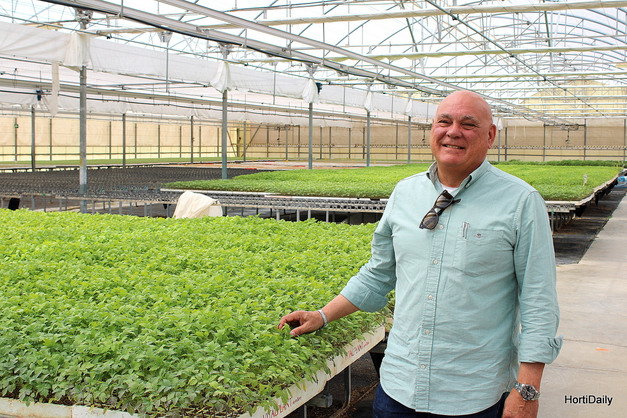
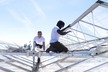
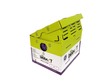
According to Escudero, when the opportunity to test the machine came up, they decided to go see it in operation. From there, they installed a first unit and began testing it under real conditions. "It did not take long to see how effective it was. The machine works very well and also requires no maintenance, so we decided to install enough units to control Tuta in our largest tomato seedling greenhouse."
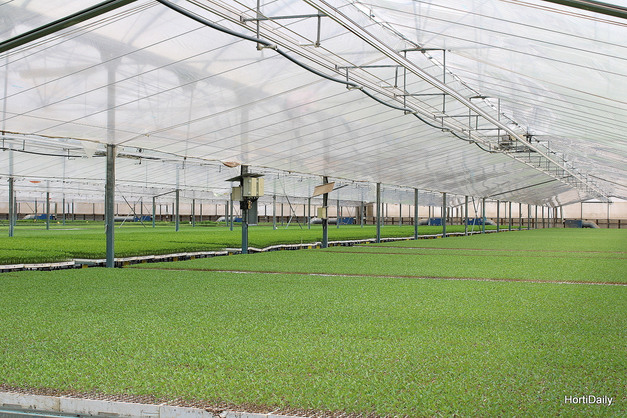
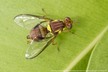
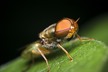
What Escudero values most is precisely that combination of simplicity and effectiveness. "It is a very simple operating principle," he insists. But that apparent simplicity contrasts with the scale of the problem it addresses. Tuta absoluta is not an occasional threat that appears only under certain conditions, it is an insect that is part of the environment. "That is why, in a nursery, where people, materials, and outside air are constantly coming in, the question is not whether it can enter, but how to prevent it from establishing itself on the plant."
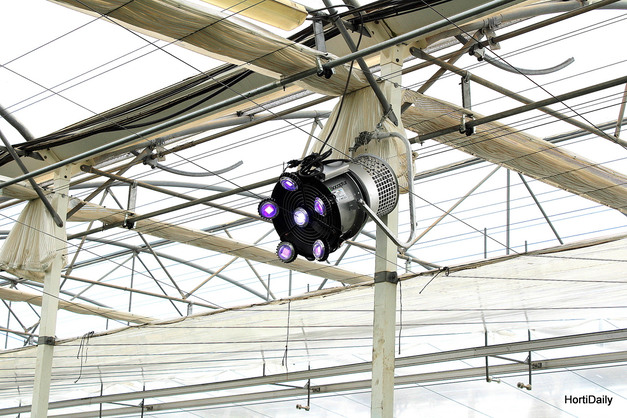
And that is where El Plantel sees the value of Biocaptur. "Since we installed the machine, Tuta has stopped being a concern for us."
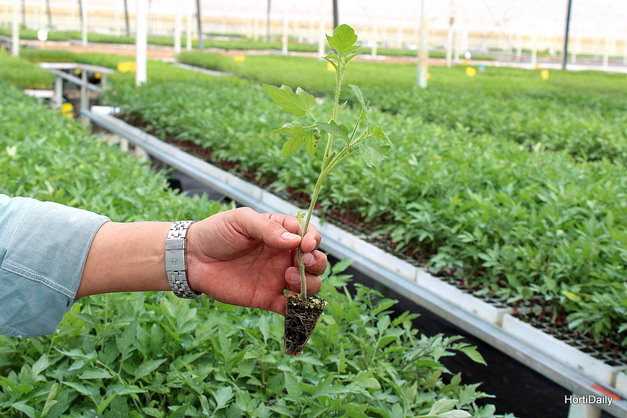
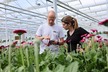
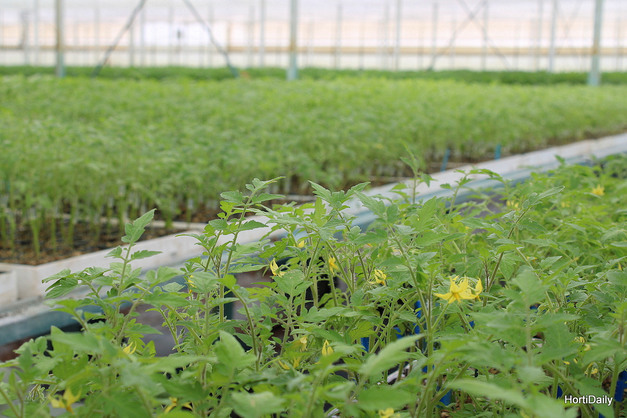
Around them are tables filled with millions of tomato plants, entire trays at different stages of development, yet the observation remains consistent. "There is not a single leaf with bites, galleries, or pest hotspots that compromise the quality of the plant material." For a nursery, that statement carries significant weight, because it is not only about avoiding losses inside the facility, but about delivering a plant to the grower with a very high sanitary standard from the very beginning.
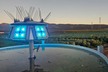
The nursery context also favors a very specific application of the device. In a greenhouse where plant height is relatively uniform and there is no vertical development as in more advanced crops, coverage is easier to achieve. "In a hectare like this, with three devices we have achieved effective control."
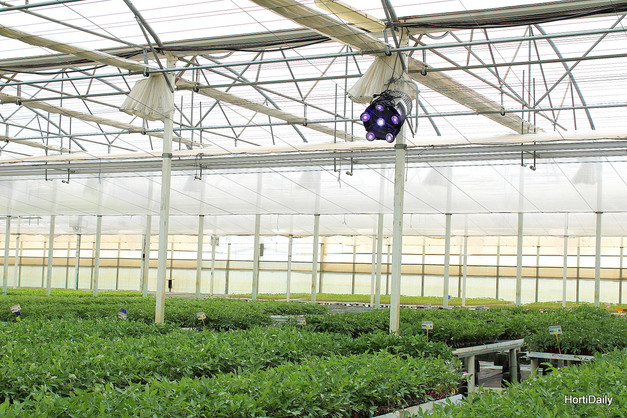
The importance of this level of control is directly linked to the value proposition the company aims to offer its customers. In crops such as grafted tomatoes, where the cost per plant is high and every agronomic decision represents a significant investment, starting with strong plant health is critical. Escudero puts it clearly, "the grower may encounter Tuta on their farm, in the surrounding area, or in the field, but what matters is that the plant leaving the nursery is not the source of the problem."
In a company producing millions of plants, that outcome is far from a minor detail. "It is not just about solving a problem inside the nursery, but about reinforcing the trust of the grower who plants afterward."
For more information:
El Plantel seedbeds
[email protected]
www.elplantelsemilleros.com
Biocaptur
[email protected]
https://biocaptur.com