"The current geopolitical situation is having a profound impact on Spain's agricultural and agrifood sector, not as a temporary disruption but as a structural shift that will shape the next decade. The combination of the war in Eastern Europe, rivalry between major powers, rising energy costs, and the European Union's push for strategic autonomy is changing how food is produced, processed, and traded in Spain," explains Fernando Paniagua Salvador, president of the Andalusian Council of Official Associations of Agricultural Engineers .
One of the most immediate impacts has been rising energy costs following the war between Russia and Ukraine. "Modern agriculture depends heavily on diesel, electricity, and transport, affecting virtually every stage of production, from farm machinery and irrigation to cooling, logistics, and greenhouse climate control. The result has been a structural increase in production costs that squeezes margins and puts particular pressure on small and medium sized farms, accelerating consolidation in the sector. It will become increasingly difficult to survive without scale, technology, or integration into cooperatives."
 © COITAND
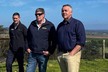
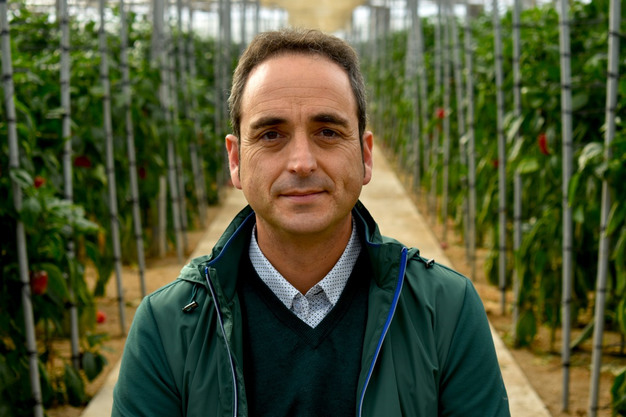
Fernando Paniagua Salvador.
"Closely linked to energy is the issue of fertilizers, whose production depends on natural gas. Before the war, Europe imported a significant share of fertilizers from Eastern Europe. The price shock of 2022 and 2023 was not just temporary, it has left a lasting mark on agricultural cost structures. Many farmers have reduced application rates, changed techniques, or started adopting precision agriculture to optimize inputs. This is pushing a transition toward more technological and efficient models, but it also requires investment and knowledge, again favoring farms with greater financial capacity."
"The most decisive factor in the medium term is water. Geopolitics and climate change converge at a critical point for Spain, the Mediterranean will be one of the regions most affected by prolonged droughts. This not only increases irrigation costs but will force changes in crops, techniques, and the territorial distribution of production. Spanish agriculture will have to invest heavily in water efficiency, reuse, desalination, and irrigation digitalization. In practice, this will reshape the country's agricultural map, reducing the weight of highly water intensive crops while boosting more drought resistant varieties."
"At the same time, geopolitics opens up a historic opportunity. Europe has rediscovered food security as a strategic priority. For decades, it was assumed that food could be imported without risk from anywhere in the world, but logistical disruptions, war, and global rivalry have shown that supply chains can break down. In this new context, southern Europe gains strategic value because of its greater sunlight, longer growing seasons, and export capacity. Spain can become one of the main suppliers of fruits, vegetables, olive oil, wine, and processed products for the European market, especially as northern regions face climate and water limitations."
 © COITAND
"The human dimension is also key. Spanish agriculture depends heavily on migrant labor, and geopolitical dynamics are increasing migration flows to Europe. This creates a paradox, while social and political pressure on migration grows, agriculture needs this workforce to sustain production. Without foreign workers, many harvest campaigns could not be completed. In the coming years, it will be inevitable to move toward more regulated and stable models of labor migration linked to the agricultural sector."
Where the most profound change may occur is in agribusiness, Paniagua continues. "The European trend toward shortening supply chains and reducing external dependencies is driving more food processing within the continent. This particularly benefits Spain, which combines strong primary production with a solid food industry and good logistics connections. Growth in the agrifood industry will likely outpace primary agriculture, as added value shifts toward processing, packaging, traceability, and logistics."
"Finally, European regulation is pushing toward more sustainable agriculture. Climate policies require high quality professional advisory services to reduce pesticides, fertilizers, and emissions, which means higher short term costs but more valuable and healthier products in the long term. European demand is moving toward food with traceability, sustainability, and safety. Professional phytosanitary guidance from certified agricultural engineers will benefit producers who are able to adapt, ensuring production and improving farm profitability."
 For further information:
Fernando Paniagua Salvador
President of the Andalusian Council of Official Associations of Agricultural Engineers
[email protected]
https://www.agricolasdeandalucia.org/