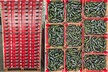
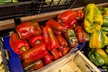
The ongoing West Asia war has caused immense disruptions to India's perishable produce export business. Time-sensitive shipment delays directly degrade product quality and lead to substantial financial losses for exporters, says Cyril Chakranarayan of Olive Import Export. "USD 1-1.5 billion worth of export cargo faces disruptions due to delays, diversions, or returns," he explains, adding that this includes USD 238-295 million in payments now stuck with buyers across West Asia. "Freight and insurance costs have also skyrocketed, rising from USD 3,000 to 8,000 per container along with additional USD 5,000 surcharges imposed by shipping lines."
 © Olive Import Export
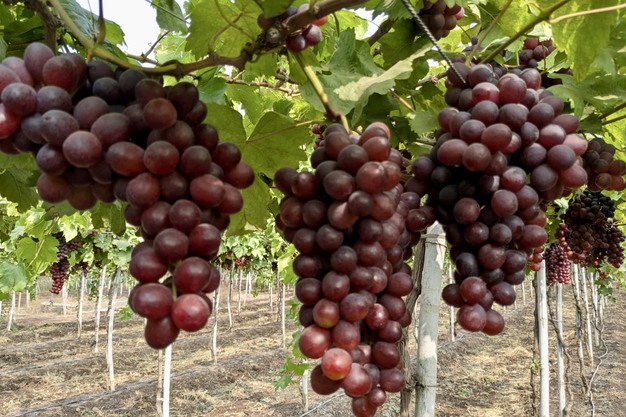
According to Chakranarayan, virtually all categories of perishable products have been affected due to widespread shipment delays and containers stranded at ports. "A particularly acute impact was felt right after the war was declared, when over 200 containers were halted for more than 10 days at Mumbai's JNPT port. Grapes and onions faced severe damage to quality, triggering a return of the goods from port to sell in domestic markets and recover as much value as possible. Panic spread among exporters as vessels faced heavy congestion and Gulf buyers like those at Jebel Ali port halted purchases."
Exporters have responded by urgently diverting ships to alternative Gulf ports like Khorfakkan and Sohar once they reopened, while adopting longer new routes to avoid the conflict zone. "Sea shipments now route via the Cape of Good Hope, adding 10 to 20 days and multiplying freight costs by 2 to 4 times, or air routes via Europe and Asia hubs cost up to 100% higher." Chakranarayan also highlights the heightened risks for perishables from this extra handling and time, including spoilage and quality loss, prompting many to shift toward nearby markets.
 © Olive Import Export
"The Strait of Hormuz remains critically important for India, since it carries nearly 70% of the country's perishable exports and 70-80% of its energy imports, but it is currently not fully functional due to security concerns in the war zone, though some India-bound ships are still permitted passage."
Surging oil prices are compounding challenges by driving up transportation costs across aviation, shipping, and road transport, which are all essential to the export chain, in turn raising overall prices of perishable agri products in both domestic and international markets, Chakranarayan mentions.
"It all depends on the war situation, if the war is under control, we might see positive results in international markets," he says, expressing hope for a return to pre-war normalcy in export business once shipping routes fully reopen and stabilize."
For more information:
Cyril Chakranarayan
Olive Import Export
Tel: +91 83 29 142 948
Email: [email protected]
www.oliveimportexport.com