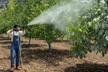
Conventional pesticides typically rely on synthetic active ingredients designed to interfere with insect physiology, targeting nervous or endocrine systems to induce mortality. While effective, these approaches inherently introduce compounds intended to disrupt biological processes.
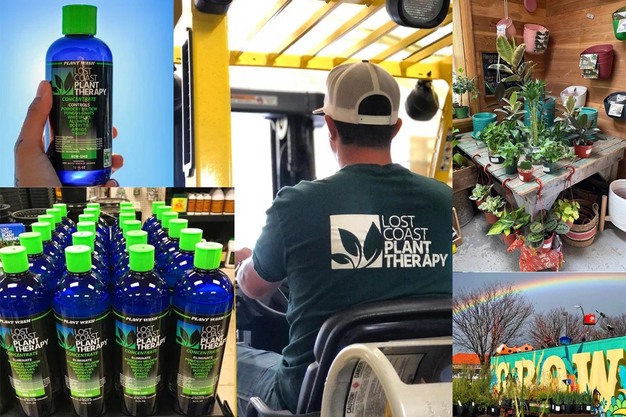
Lost Coast Plant Therapy instead employs a contact-based, mechanical mode of action. By coating soft-bodied insects and plant pathogens, the formulation physically suffocates and dehydrates them.
As Co-Founder Heather Smith explains, "We're not trying to interrupt biological systems; we're addressing the pest directly through physical means." This distinction allows growers to manage pest populations without introducing toxins designed to affect broader ecological functions.
 © Lost Coast Plant Therapy
Familiar ingredients, transparent formulation
Another notable differentiator is ingredient composition. The formulation includes plant-based, food-grade, organic, and non-GMO components, alongside cosmetic-grade ingredients commonly used in personal care and even hospital environments.
She notes, "Growers deserve to know exactly what they're applying, and to recognize those ingredients outside of agriculture." This level of transparency aligns with the U.S. Environmental Protection Agency's "minimum risk pesticide" classification, which requires all ingredients (both active and inert) to be from pre-approved lists and fully disclosed.
In practical terms, this translates into a product designed to work in harmony with the growing environment. It helps preserve soil biology, eliminates concerns about chemical drift in air and water, and supports safer conditions for farm workers during application. The formulation is also intended to safeguard beneficial insects, including pollinators such as bees, while reducing risks to pets and surrounding wildlife.
Importantly, it leaves no harmful residue on harvested crops—an outcome that is increasingly critical for both consumer safety and market access. For growers, this not only supports food safety expectations but can also simplify compliance and strengthen confidence in the final product.
 © Lost Coast Plant Therapy
Targeting key greenhouse challenges
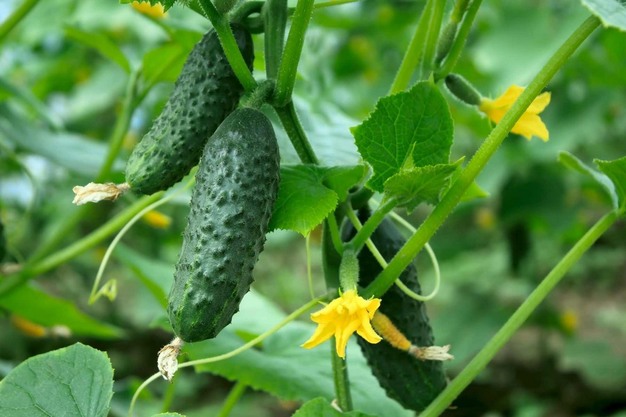
The product is engineered to address two persistent issues in greenhouse production: soft-bodied insects and fungal diseases. This includes aphids, mites, whiteflies, and thrips, as well as powdery mildew and other fungal pathogens.
Because it acts on contact, it can be applied throughout the crop cycle as both a preventative and reactive measure. Heather emphasizes consistency: "The key is not waiting for pressure to spike. Regular applications allow growers to stay ahead of the problem."
Field performance and yield impact
While the underlying philosophy is important, adoption ultimately depends on performance. Commercial growers report measurable outcomes when integrating the product into standard programs.
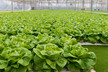
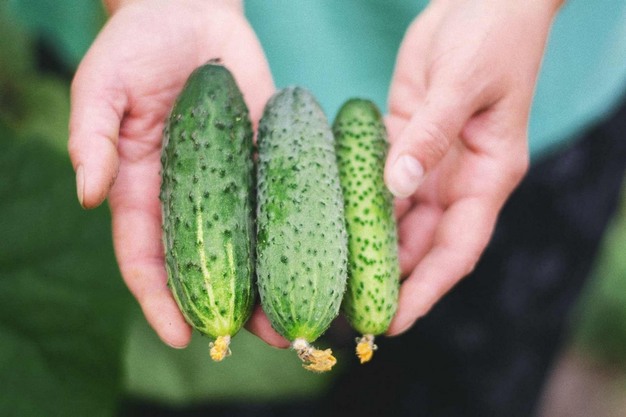
In lettuce production, operations using the product throughout the full crop cycle have reported yield increases of up to 30%. These gains are attributed to sustained reduction in pest and disease pressure rather than late-stage intervention. "What we hear consistently is that healthier plants produce more, and that comes from reducing stress across the entire lifecycle."
 © Lost Coast Plant Therapy
Integration into IPM systems
For greenhouse growers already implementing Integrated Pest Management, compatibility is a critical factor. Lost Coast Plant Therapy functions as a multi-purpose input; serving as an insecticide, miticide, and fungicide, which can simplify spray programs.
"It's about strengthening, and not replacing, IPM with a tool that works across multiple challenges without adding complexity. It's not about doing less but rather doing things differently. Growers are realizing they have more options than they once thought."
Its non-specific crop application further supports adoption across diverse greenhouse operations, from leafy greens to ornamentals and specialty crops.
Lost Coast Plant Therapy will be present at the upcoming Cultivate Ohio trade show later this year, where greenhouse growers and industry professionals can learn more about the product and its application strategies. Attendees interested in integrating mechanical pest control into their operations are encouraged to schedule meetings in advance.
For more information:
Lost Coast Plant Therapy
Heather Smith, Co-Founder
[email protected]
www.lostcoastplanttherapy.com