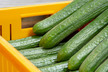
The war in the Middle East is exerting enormous pressure on the fresh produce trade through the closure of sea and air routes, rising transportation and energy costs, and export bans. The crisis is catching up with Egyptian exporters, who "don't know which way to turn," as Abdelkader Habony, director of Al Habony, puts it.
 © Habouny Group
"This war is taking on disastrous proportions. We are caught between the hammer of exorbitant export transportation costs and the anvil of stagnant demand. Volumes of fresh produce are piling up, while fuel costs and currency depreciation are putting us in an uncertain position, the consequences of which are increasingly dire as the war drags on," Habony says.
Local and international shipping costs have increased significantly since the outbreak of the war due to higher fuel prices and increased risk surcharges. According to Habony, all markets are affected. "Shipping a container to Jebel Ali now costs $9,000, compared to $3,800 before the war. The same goes for deliveries to India, where the cost of shipping a container has risen from $1,500 to $5,000. What's worse, we're paying risk surcharges to ship to Europe, even though the route is safe. These risk surcharges are suffocating us."
 © Habouny Group
The US dollar has risen nearly 10% against the Egyptian pound since the war began, further exacerbating the difficulties faced by Egyptian exporters who pay for transportation in USD. According to Habony, "all the downsides of the pound's depreciation are there, while the benefits in terms of exchange rate gains are yet to be seen."
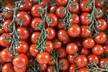
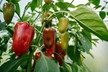
The falling exchange rate and uncertainty are causing the price of fresh produce to soar in the local Egyptian market. "The price of potatoes has risen from 7 EGP to 15 EGP, tomatoes from 20 to 50, peppers from 15 to 30, and beans from 38 to 50. On the other end, we're still not yet seeing consistent exchange rate gains on our sales in USD because demand is low," the exporter continues.
Habony notes that demand has stagnated in all markets except the Gulf region. "Gulf countries used to import huge quantities of fresh produce from Iran, India, and Azerbaijan, but those imports have now stopped. Today, Egypt is practically the only source that continues to export certain vegetables to the Gulf. Demand is strong, but shipping is very complicated and costly."
 © Habouny Group
In contrast, European demand is "strangely weak," according to the exporter. "I don't quite understand why. Local European production partly explains this situation, but it seems that consumer behaviour is conservative. "
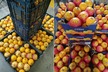
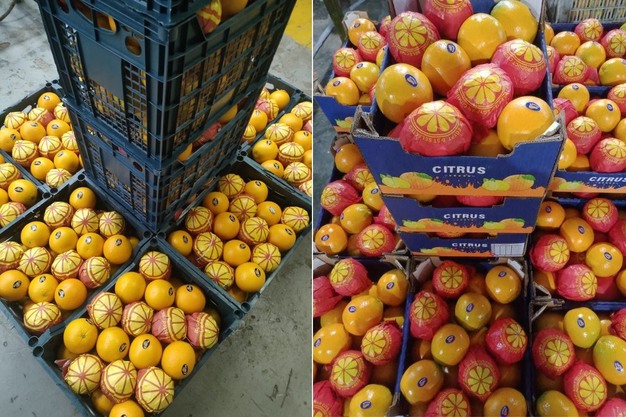
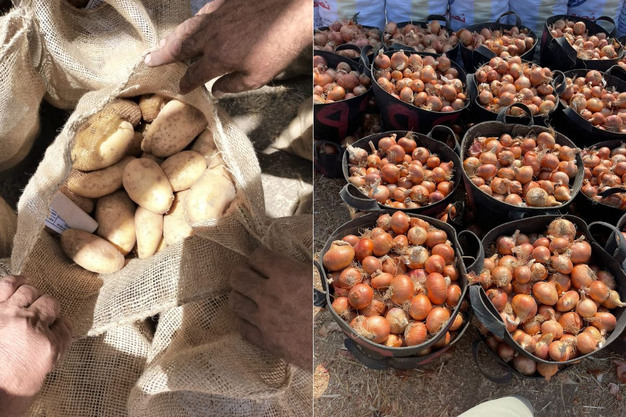
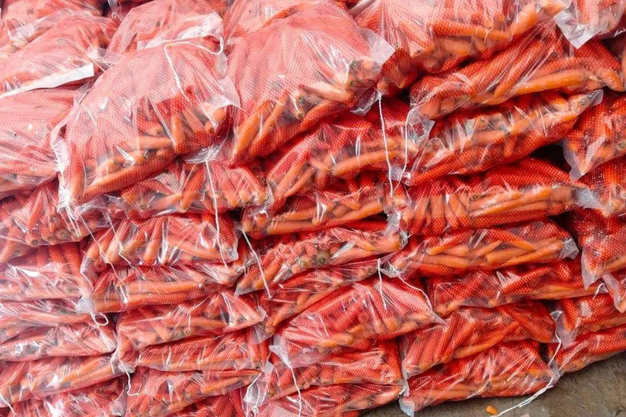
This situation affects all currently in-season products. Fruits and vegetables grown in large quantities in Egypt are the most vulnerable, according to Habony. "We have significant volumes of potatoes, onions, carrots, and oranges ready for export," he concludes.
Abdelkader Habony
Habony Group
Tel: +201090999229
Email: [email protected]
www.alhabounygroup.com