The Vegetable Producers and Exporters Association of Ghana has called for a coordinated response from government, industry, and researchers following Burkina Faso's decision to halt tomato exports to Ghana.
Government officials are in discussions with Burkina Faso to address the situation and maintain trade relations between the two countries.
Association president Dr. Felix Kamassah said the restriction could affect Ghana's vegetable supply chain and lead to price changes if no action is taken. "Policymakers, producers, and researchers must come together and solve this issue once and for all," he said.
The association is engaging with the Ministry of Food and Agriculture to identify responses. Dr Kamassah noted that concerns about reliance on imported tomatoes have been raised previously. "I have been voicing out on this issue long ago—and now it has happened," he said.
He said policy responses should involve producers and other stakeholders. "Policymakers shouldn't leave it in their domain alone. They have to seriously work with the practical people on the ground."
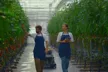
According to Dr. Kamassah, local producers have knowledge of production cycles and suitable growing areas. "We understand how production works in this country – the areas we can grow tomatoes at different times, and where we can expand," he said, referring to options such as greenhouse production.
He also highlighted the need for investment in irrigation and year-round production. "We have to encourage the Ministry to look for funding and invest in this so we can produce throughout the year," he said. "That will help the country so that we won't keep facing this issue."
Cross-border trade conditions have also affected supply. In February 2026, seven Ghanaian tomato traders were killed and others were injured in an incident in Titao in Burkina Faso. The event highlighted risks linked to cross-border trade.
Source: CNR