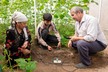
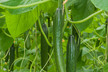
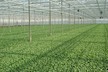
A Ukrainian greenhouse farm, established in 2011, has expanded from 0.06 hectares to 0.4 hectares and now operates eight greenhouses producing cucumbers on hydroponics. The main varieties include smooth Dutch hybrids and gherkins, grown on mineral wool substrates. From sowing to first harvest, the crop cycle takes around 60–65 days.
Production is based on controlled irrigation and fertigation systems. Ventilation and heating systems regulate the greenhouse climate, although sunlight remains a limiting factor.
The farm produces around 200 tonnes annually, averaging 50 kg per square metre, with sales mainly in western regions of Ukraine. Harvesting takes place year-round across two cycles: winter–spring and summer–autumn.
This season, production was significantly affected by energy shortages and by severe frosts. Heating costs account for up to 80% of cucumber production costs, as greenhouses require continuous heating for about two months before fruiting. Additional expenses linked to cold weather reached 500,000–600,000 UAH (€12,000–14,400).
Power outages disrupted operations, making diesel generators and solid-fuel boilers critical. The boiler, operating below required capacity, required manual feeding with wood every 20 minutes during periods of –25°C. Night consumption reached 15–18 cubic metres of wood.
Market prices reflect these costs. At the start of the season in mid-February, cucumbers were sold at around 180 UAH (€4.30) per kg, dropping to 130 UAH (€3.10) within weeks as supply increased. Pricing is also influenced by imports, particularly from Turkey, where lower energy costs create a competitive advantage.
Source: SuspilneTernopil