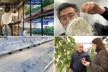
Ukraine has launched a pilot greenhouse project using Japanese film-based cultivation technology that enables vegetable production without soil and with minimal water use. The facility, currently operating as an experimental agrolaboratory, is the first of its kind in the country.
 © tsn
© tsn
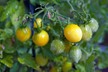
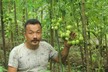
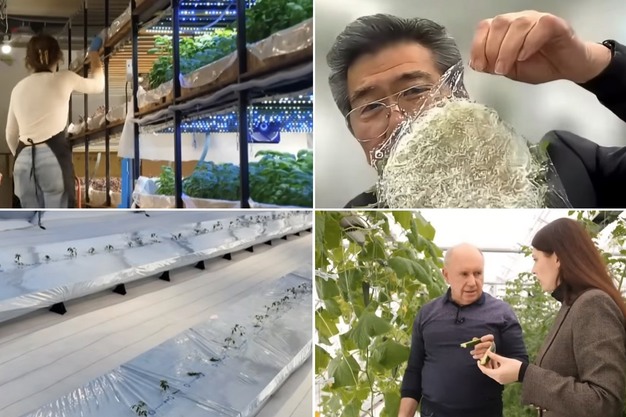
Cucumbers and tomatoes are grown on a special nanofilm made of compressed hydrogel, which replaces soil entirely. Plant roots develop directly on the surface of the film, which absorbs water and nutrients from below and retains them internally. The system supplies moisture through drip irrigation, but at significantly lower volumes than conventional methods.
According to researchers involved in the project, water and fertiliser consumption is up to four times lower compared to standard hydroponic systems. At the same time, the structure of the film prevents the penetration of viruses and bacteria, allowing crops to be grown without pesticides or herbicides.
Laboratory tests show nitrate levels in the produce at around 30 mg/kg, compared to permitted levels of 350–400 mg/kg. The controlled environment and absence of chemical treatments position the output as low-residue, high-quality produce.
The technology also affects product characteristics. Due to limited water availability at the root interface, plants increase the production of sugars and amino acids, resulting in improved taste profiles, particularly in tomatoes and cucumbers.
The greenhouse was built with Japanese funding and technical support. Monitoring is conducted remotely, with each plant tracked through digital systems that measure growth parameters such as weight and size. Data is recorded in real time to evaluate performance and scalability.
Originally developed for regions with limited arable land and water resources, this technology has been implemented in Japan in post-disaster areas, including Fukushima, and in arid regions of Africa. In Ukraine, it is being tested as a potential solution for areas in areas where military operations are taking place, affected by soil degradation and water shortages, particularly following the destruction of irrigation infrastructure.
Commercial viability is still under evaluation, but the system is seen as a potential option for off-season and controlled-environment vegetable production, especially in regions where traditional farming is no longer feasible due to the war.
Source: tsn