 © VoltirisAs energy continues to directly influence greenhouse production strategies worldwide, new technologies and industry discussions are converging around the same central question: how to produce more efficiently while maintaining optimal crop performance.
One company positioning itself within this evolving landscape is Voltiris, which is preparing to expand its spectral solar technology into the North American greenhouse market.
Following a recent visit to the company's headquarters in Lausanne, Switzerland, Mona Nazari confirmed she will lead the company's commercial expansion in the region.
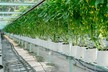
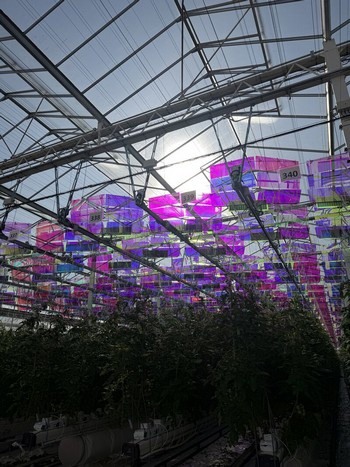
"They have developed spectral filtering solar modules purpose-built for high-tech greenhouses," she shares. "The technology splits sunlight, directing photosynthetically active radiation to the crop while converting the remaining spectrum into electricity."
Beyond generating electricity, the system also influences greenhouse climate conditions. By filtering portions of the infrared spectrum during periods of intense sunlight, crop temperatures can be moderated.
"By filtering infrared radiation during peak sunlight periods, plant temperature can be reduced by up to 4°C, helping crops stay within their optimal growing range."
According to the company, more than 2,000 modules have already been installed with commercial greenhouse partners across Europe. Early research results also suggest potential crop performance benefits.
"Recent Delphy trials have shown a 9% increase in Class I yield and a two-week extension of the harvest window." For the industry, these types of innovations are arriving at a time when energy costs and sustainability targets are becoming increasingly important factors in greenhouse design.
"Energy is quickly becoming one of the defining questions for greenhouse production," she notes. "It will be interesting to see how solutions like this fit into the next generation of controlled environment infrastructure."
Industry focus shifts to energy strategy
As part of her engagement with the industry, Mona will be attending an upcoming greenhouse-focused event in Leamington, Ontario, where discussions are expected to touch on energy use, efficiency strategies, and broader production challenges.
For her, the direction of these conversations reflects a broader shift taking place across the sector. "There's a clear move toward integrating energy strategy into core greenhouse operations," she says. "That's where a lot of innovation is happening right now."
With ongoing advancements in technology and increasing pressure to optimize both inputs and outputs, energy-integrated solutions are likely to play an increasingly important role in shaping the future of greenhouse production.
For Mona, whose new role centers on bringing energy-integrated greenhouse technologies to North American growers, the event reflects exactly where the industry conversation is heading. "The theme couldn't be more aligned with what Voltiris is all about and the value it brings."
 For more information:
Voltiris
[email protected]
www.voltiris.com