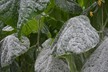
Lygus rugulipennis infestations are one of the most critical issues for open field lettuce, especially in the summer period. For horticultural companies, this means loss of saleable weight, reduced batch uniformity and a direct impact on profitability per hectare.
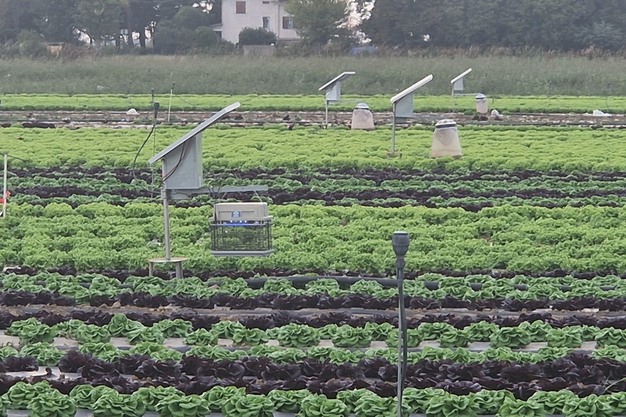
The results obtained thanks to the use of MO-EL light traps, which were tested in open fields at 'Naturalmente Laffi', an organic farm that is a member of the Agribologna Consortium, include over 15,600 mirids captured and a reduction in Lygus damage of up to 52% on lettuce leaves. The study was coordinated by Centro Agricoltura e Ambiente Giorgio Nicoli, a test centre operating according to Good Experimental Practices (GEP).
 © MO-EL S.P.A.
The field trial: three transplants and a direct comparison
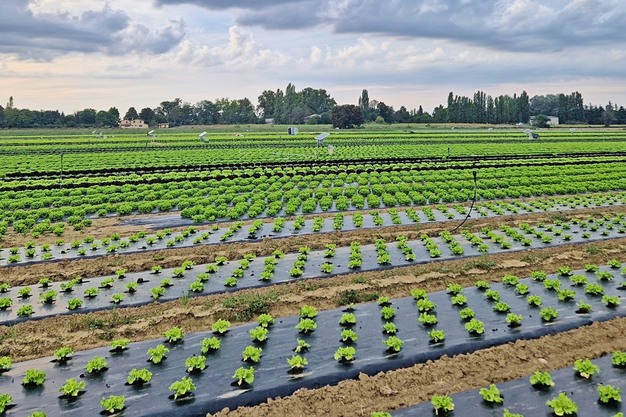
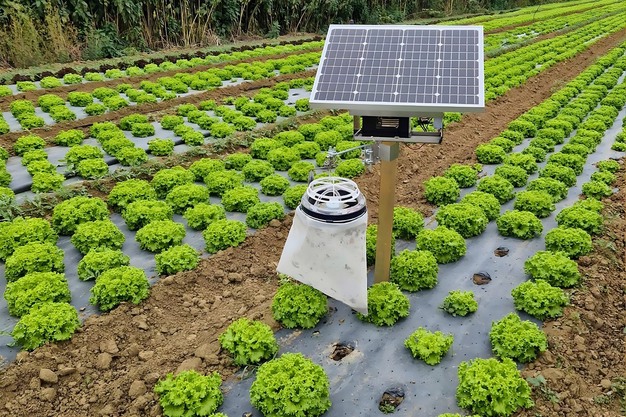
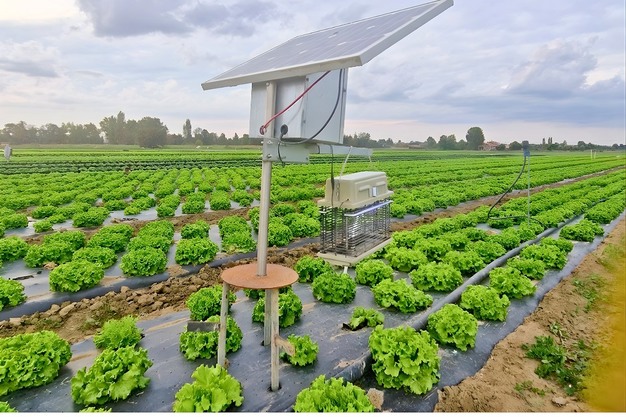
The trial was conducted on three consecutive transplants of lettuce in the open fields, with replicate plots and direct comparison with a field without traps. Two MO-EL models were assessed: the MOON-LED 3689 FV fan trap and the CRI-CRI 309L electrified trap, both tested alone and in combination with a Lygus-specific sex pheromone. In addition to the weekly catches, the number of damaged leaves, the distinction between Lygus and noctuous damage and the average weight of the heads at commercial harvest were recorded. This approach made it possible to directly link entomological effectiveness to the production result.
 © MO-EL S.P.A.
Damage reduction of up to 52%
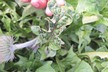
The most significant figure for lettuce farms concerns the direct impact on the plants. In the third transplant, which was characterised by strong pressure from the phytophage, almost 40% of leaves were damaged by Lygus. In contrast, in the plots with traps, the percentage fell between 18% and 26%. The maximum reduction of 52.4% was achieved with CRI-CRI 309L in combination with the pheromone. All the tests made with traps showed a statistically significant reduction in damage compared to control only. For fruit and vegetable companies, this translates into less waste and a higher commercial quality of the heads.
 © MO-EL S.P.A.
Higher average head weight and higher yield per hectare
The reduction in damage was also positively reflected in the average head weight. In the last assessment in September, the average head weight was 277.8 grams. In the plots with traps, the values exceeded 300 grams, reaching 368 grams in the test with CRI-CRI and the pheromone. An increase of 70-90 grams per head represents a substantial difference in saleable yield and economic value per hectare.
A sustainable approach to integrated pest management
The trial also showed a reduction in nightshade damage in several plots with traps, extending the benefit of the strategy. Furthermore, catches of beneficial insects were very low, indicating a negligible impact on beneficial entomofauna.
For organic farms or those included in integrated production programmes, the possibility of containing mirids with a physical, selective and measurable approach is a real competitive advantage.
 © MO-EL S.P.A.
A ready-made solution for the fruit and vegetable sector
Results show that mass trapping with MO-EL light traps can have a significant impact on Lygus management in lettuce. Fewer insects in the field means less leaf damage, more average head weight and a higher commercial value. In a fruit and vegetable market increasingly oriented towards sustainability, quality and reduction of residues, MO-EL traps now represent a concrete technological solution ready for large-scale applications.
For more information
MO-EL S.p.A.
Via Galvani 18, 42027,
Montecchio Emilia (RE), Italy
[email protected]
www.mo-el.com