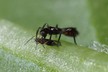
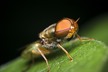
Chilli farmers in India are facing increasing pressure from black thrips infestations, which are causing significant yield and quality losses. Repeated use of insecticides with the same mode of action has reduced effectiveness and raised concerns about pesticide residues. To address this challenge, Corteva Agriscience is promoting science-based Integrated Pest Management (IPM) strategies to help farmers achieve more sustainable pest control and improved productivity.
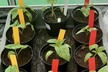
In response to the growing problem, demonstration model plots were established in Andhra Pradesh to test and showcase improved management practices. These plots implemented IPM protocols alongside green-chemistry principles, while also educating farmers about resistance management and responsible pesticide use. The approach aims to strengthen crop health while protecting the environment and maintaining long-term pest control effectiveness.
Field observations show that crops managed under IPM programmes experience better control of black thrips, resulting in stronger plant growth, greener foliage and improved flowering. Reduced pest damage has helped restore farmer confidence and improve crop performance in key chilli-growing regions.
Training initiatives and industry collaboration have further supported adoption of improved pest management practices. Field days and educational programmes have reached hundreds of farmers, while guidance on residue management and compliance with maximum residue limits helps ensure produce can access demanding export markets. Together, these efforts are improving resilience, productivity and market opportunities for chilli growers in India.
Source: www.apnnews.com