Moldy strawberries, wilted lettuce. A forlorn cauliflower pocked with brown. West Moberly First Nations Councillor Clarence Willson jokes that produce available in nearby stores is sometimes "compostable" before it hits the shelves.
That produce arrives by way of a very long supply chain, and their northeastern B.C. territory, a three-and-a-half hour drive northeast of Prince George, is often the end of the line. And thanks to the compounding effects of hydro dams, seismic lines for oil and gas, forestry and coal mines, traditional foods the nation has long harvested or hunted have grown increasingly scarce or unsafe to eat.
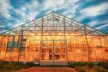
"We have to start looking at how we sustain ourselves," Chief Roland Willson of West Moberly First Nations says. "Not just West Moberly, but the people in the northeast. The idea of the greenhouse is, to me, where I think we have to go."
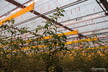
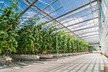
Growing fresh food year-round in greenhouses could improve food security in the community and across the region, but it would take a lot of energy, too. Fortunately, the First Nation has a serendipitous asset buried deep underground: scalding hot, salty water.
Read more at The Narwhal