A new educational initiative from Nourse Farms is helping growers refine berry production practices across both field and protected cultivation systems. The company's Lunch & Learn webinar series focuses on key management decisions that influence plant health, yield and profitability.
The webinars bring together technical specialists who work closely with commercial growers. Topics include variety selection, crop establishment, pest management and post-harvest handling.
"We're aiming to translate complex growing concepts into practical steps growers can apply right away," said Sierra Pullano, who moderated the session "Do This, Not That – Practical Tips for Berry Crop Success." "The goal is to help growers avoid common mistakes and set their crops up for stronger performance from the start."
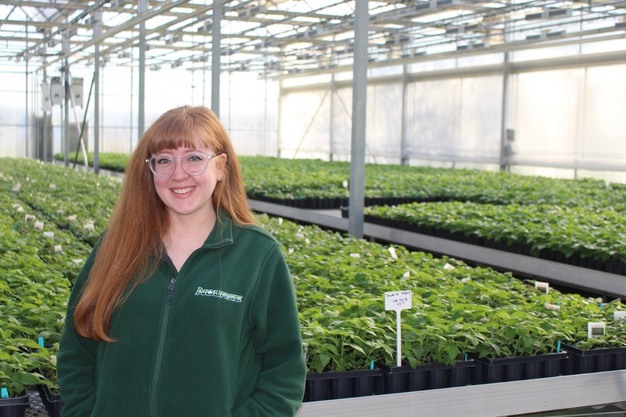
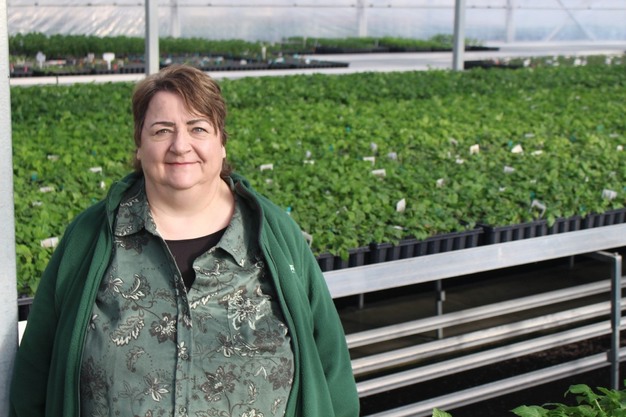
During the session, Sierra was joined by Anne Kowaleck and Catherine Rivard, who shared practical guidance drawn from their work with commercial berry growers.
Establishment decisions shape long-term performance
Successful berry production begins with careful planning of the planting site or production environment. While this traditionally refers to field conditions, the same principles apply to greenhouse and tunnel systems, where drainage, substrate choice, and previous crop history can influence plant performance.
"Site selection is one of the most common planting mistakes we see, and it's something growers have to live with long term," Catherine explained. "Poor drainage, persistent weed pressure or unsuitable previous crops can create ongoing production challenges."
Careful preparation in protected systems helps reduce disease pressure and simplifies management later in the season.
Planting conditions are equally important. Anne highlighted soil or substrate temperature and planting depth as two critical factors during crop establishment.
"We like to see soil temperatures around 45 to 50 degrees Fahrenheit before planting," Anne said. "If the soil is too cold or cold and wet, plants can sit without growing and roots may begin to rot."
Depth errors are also a frequent cause of plant failure. "For strawberries, the crown should sit level with the soil surface, with roots straight down rather than bent," she explained. "With bare-root raspberries, growers need a shallow trench so the roots sit roughly one to one-and-a-half inches below the soil surface."
These planting fundamentals apply equally to greenhouse systems using raised beds, containers or substrate-based production.
 © Nourse Farms
Crop-specific management strategies
Another common challenge growers face is assuming management practices transfer easily between different berry crops.
"Your weed control options and cultural practices vary significantly depending on the crop," Anne said. Tissue-culture raspberry plants, for example, can be highly sensitive to herbicides during establishment.
"In the planting year, we generally recommend using a thin straw mulch for raspberries rather than relying on herbicides," she noted, emphasizing the importance of integrated management approaches. Pest and disease management also requires preventative strategies rather than reactive responses.
Catherine pointed out that several issues are currently common across berry production systems. "Thrips are becoming more common in strawberries and can damage crops quickly," she said. "Spotted wing drosophila continues to affect brambles and blueberries."
She cautioned growers against relying solely on repeated pesticide applications. "Overuse of fungicides, herbicides or insecticides can lead to resistance problems," Catherine explained. "Rotating products with different modes of action is essential for maintaining effectiveness."
Monitoring crops under changing conditions
Weather conditions and greenhouse microclimates can strongly influence pest and disease pressure.
"Hot, dry conditions tend to increase insect pressure, such as spider mites or thrips," Anne said. "But prolonged wet or humid conditions are often more challenging because they increase disease pressure."
In controlled environments where humidity can rise quickly, growers must pay particular attention to crop monitoring and preventative disease management.
"Flowering is a critical stage for both strawberries and raspberries," Anne added. "Maintaining a consistent fungicide program during that period can help protect blossoms and prevent issues like botrytis later in fruiting."
 © Nourse Farms
Airflow and sanitation remain critical
Beyond crop protection products, the speakers stressed that simple cultural practices remain some of the most effective disease management tools.
"I would say sanitation within the planting is one of the most overlooked practices," Anne said. Removing damaged fruit, plant debris and excess vegetation can significantly reduce disease pressure.
Catherine added that airflow management is particularly important in dense plantings or protected environments.
"Designing the planting to allow optimum air circulation is critical," she said. "Avoid overcrowding, maintain appropriate plant spacing and remove excess runners or canes when necessary."
Protecting fruit quality after harvest
Even when crops are managed successfully during production, improper handling after harvest can reduce fruit quality.
"The number one rule after harvest is removing the field heat," Catherine said. "Fruit should be cooled as quickly as possible, which may mean multiple trips from the harvest area to the cooler."
For growers supplying distant markets, Anne noted that variety selection can also influence shelf life and shipping performance.
"Some cultivars are specifically bred for firmness and longer shelf life," she said. "Selecting varieties that match your marketing strategy can make a significant difference."
Ultimately, the webinar emphasized that strong fundamentals remain the most effective strategy for improving berry production outcomes.
"If I had to give one piece of advice, it would still be site selection," Anne concluded. "Whether you're growing in the field or under protection, choosing the right location or system makes a huge difference in productivity and reduces many challenges later in the season."
To register for the next webinar, click here.
For more information:
Nourse Farms
+877.564.6697
www.noursefarms.com