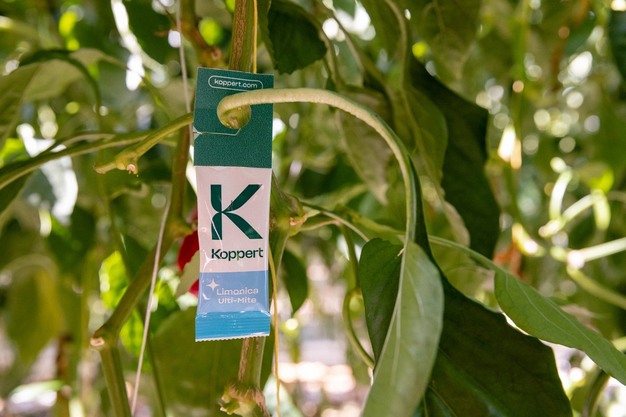
In the biological control of key pests such as thrips and whiteflies, Koppert España has introduced a new format for its predatory mite Amblydromalus limonicus, following the commercial success of Limonica in bottle, launched in 2024. The company has now begun marketing the predator in the Ulti-Mite sachet format under the name Limonica Ulti-Mite.
 © Koppert Biological System
Thanks to these characteristics, it is particularly recommended for the biological control of thrips and whiteflies in a wide range of horticultural crops except tomato, as well as in ornamentals and berries. Limonica is also compatible with other biological control agents such as Orius laevigatus. Thanks to these characteristics, it is particularly recommended for the biological control of thrips and whiteflies in a wide range of horticultural crops except tomato, as well as in ornamentals and berries. Limonica is also compatible with other biological control agents such as Orius laevigatus.
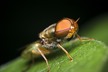
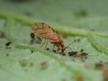
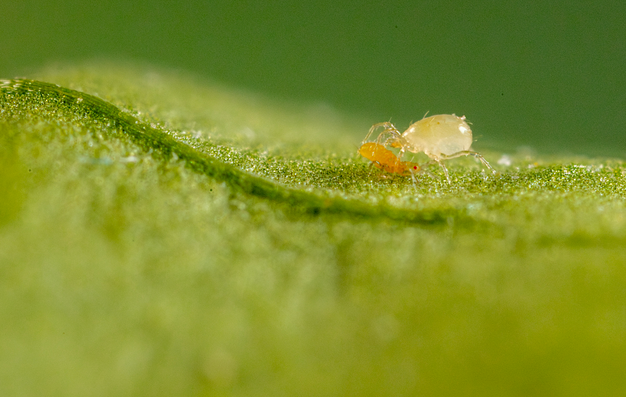 © Koppert Biological SystemPredatory mite Amblydromalus limonicus (Limonica) predating thrips.
For thrips control, Amblydromalus limonicus preys on eggs and early larval stages L1 and L2 of several species commonly found in greenhouse horticulture and subtropical crops, including Frankliniella occidentalis, Thrips parvispinus, Scirtothrips dorsalis, and Thrips tabaci. It also effectively controls thrips species present in ornamental crops such as Echinothrips americanus, Dichromothrips corbetti, and Chaetanaphothrips orchidii. Against whiteflies, the predator feeds on eggs and larvae, making it suitable for mixed infestations involving Trialeurodes vaporariorum and Bemisia tabaci. When thrips or whiteflies are absent, the mite can survive by feeding on other mites, butterfly eggs and pollen.
 © Koppert Biological System
Patented innovation
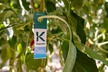
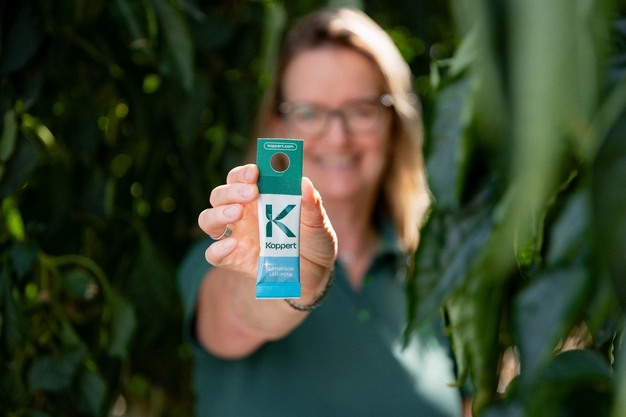
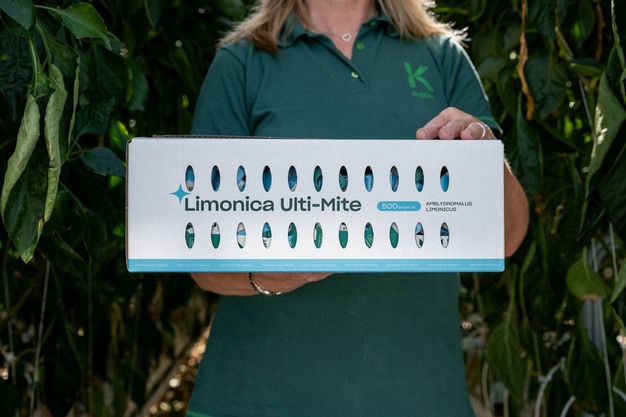
According to the company, Limonica Ulti-Mite combines advanced slow release technology with the predatory mite itself. "Limonica Ulti-Mite is a patented innovation that combines the most advanced progressive release technology with the most effective predatory mite against different species of thrips and whiteflies. The result is an exclusive biological control solution that offers maximum reliability thanks to the technical specifications of the sachet, which are unique on the market. The sachet is made with a 100% compostable outer film and creates an optimal microclimate for the reproduction and release of the mites, even under difficult conditions. Unlike paper sachets, Limonica Ulti-Mite retains internal humidity and is more resistant to adverse weather conditions," Koppert explains.
 © Koppert Biological System
The favorable conditions inside the sachet effectively turn the Ulti-Mite format into a miniature biofactory from which predatory mites emerge over a period of up to six weeks. This results in a sustained and reliable release that is synchronized with pest pressure in the crop. Each Limonica Ulti-Mite sachet initially contains 125 predatory mites and prey mites. Through the Ulti-Mite technology, the progressive release allows the mite population to multiply up to four times the initial content, providing what the company describes as the highest profitability and longest duration currently available on the market.
Application rates
The recommended dosage depends on the crop, the moment of application and pest pressure. After more than 100 trials and over 11,000 hours of work, Koppert has developed a technical protocol specifically adapted to greenhouse growing conditions in southeast Spain. For greenhouse pepper crops, the standard recommended dose is 80 individuals per square metre, provided the sachets are placed between the third and fourth week after transplanting. Complementary feeding is optional and can begin three weeks after the release of Limonica using 10 containers of Nutari per hectare.
 © Koppert Biological System
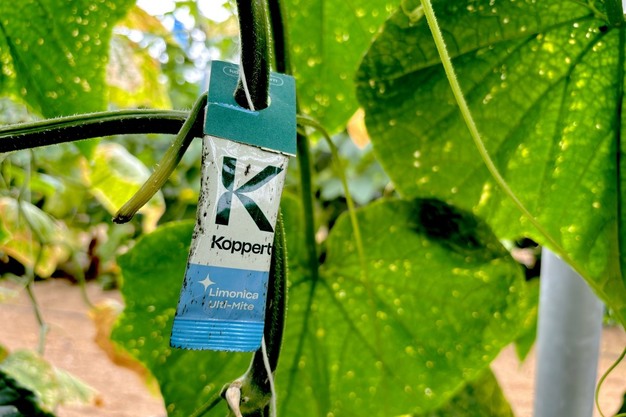
For cucumber crops, sachets should be installed when the plants reach approximately one metre in height, with a dose of around 60 individuals per square metre. One week later, complementary feeding should be provided using 10 containers of Nutari and three containers of Nutemia per hectare.
 For more information:
Koppert
www.koppert.es