The Crops Research Institute of the Council for Scientific and Industrial Research (CSIR-CRI) has launched a two-year project aimed at improving sustainable tomato production in the country through climate-smart greenhouse technology.
The project is being implemented in partnership with the Korea Programme on International Agriculture (KOPIA) Ghana, with funding from the Korean Government through the Rural Development Administration under the RDA-KOPIA programme.
Under the initiative, new tomato lines, developed by the World Vegetable Centre (WorldVeg), will be tested at CSIR-CRI in Kumasi and at the KOPIA Centre in Ghana to determine the varieties best suited to local growing conditions.
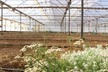
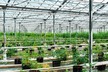
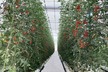
The most promising lines will then be cultivated in greenhouses across the Ashanti, Bono and Volta regions. The greenhouses will be located near selected farmers identified by the Ministry of Food and Agriculture (MOFA), who will also receive training in greenhouse tomato production throughout the duration of the project.
 © Crops Research Institute of the Council for Scientific and Industrial ResearchDr. Machael Kwabena Osei (middle) with other officials at the launch
Dr Michael Kwabena Osei, Project Leader and Principal Research Scientist at CSIR-CRI, Kumasi, said the project seeks to identify high-performing varieties, disease-resistant varieties, promote innovative greenhouse technologies and assess their economic and environmental impact.
He pointed out that tomato production in Ghana was still largely dominated by traditional farming methods, which often result in low yields, poor-quality produce, high levels of pests and diseases, and limited returns for farmers.
According to him, adopting greenhouse technology can increase yields, reduce the incidence of diseases and ultimately improve farmers' profitability.
Dr Osei expressed optimism that the introduction of greenhouse technology would enhance productivity, boost incomes and strengthen the climate resilience of smallholder farmers across the country.
Overall, the project also aims to promote climate-resilient and sustainable tomato production in Ghana through improved varieties, modern technologies and comprehensive capacity building for farmers.
Source: Ghanaian Times