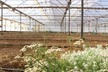
January frosts in Latvia have not halted greenhouse operations, although they have significantly increased heating costs. At the Bulduri Technical School, spring flowers are being planted, while cucumbers are ripening in Mārupe. Growers say cold weather has made production more expensive, but modern infrastructure and diversified energy sources allow them to maintain output.
Despite sub-zero temperatures outdoors, greenhouses at the Bulduri Technical School remain in full production. In January, heating expenses roughly doubled compared to last year.
The school grows flowers suited to cooler climates, while cucumbers in Marupe require higher temperatures. The company operates several heat sources, including a biogas plant, natural gas boilers, a cogeneration unit and a woodchip boiler house, allowing it to switch between energy options depending on market conditions.
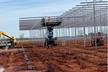
Heating expenses in Mārupe increased by around 30% year-on-year in January. However, the company notes that this winter is unlikely to become the most expensive in terms of overall heating costs. In 2022, four hectares of outdated greenhouses built in the 1970s were dismantled, reducing the total area from 10 hectares to 6.5 hectares. The older structures were not energy efficient, while the new-generation facilities allow cucumber production even at temperatures of –20°C.
Growers in both locations point out that sunny days in January helped offset part of the heating demand. Compared to the previous year, sunshine was more frequent. Glass structures allow solar gain, and modern greenhouses are equipped with thermal screens that limit heat loss by isolating the growing space and preventing cold air infiltration.
Source: rus.lsm.lv