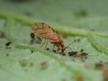
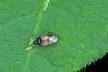
The tomato leafminer (Tuta absoluta) is one of the main phytosanitary challenges in horticultural crops, especially tomatoes. It is a small moth measuring barely 7 mm, active mainly from dusk to dawn and remaining hidden during the day. Its high reproductive capacity explains its rapid spread: each female can lay more than 240 eggs with a fertility rate close to 100 percent, allowing the pest to reach between ten and twelve generations per year.
The damage is caused during the larval stage, when the insect penetrates leaves, stems, and fruits. In tomatoes, larvae excavate galleries in the flesh that often fill with excrement, rendering the fruit unfit for consumption. Internal galleries in leaves and stems weaken the plant's structure, reducing its capacity to transport water and nutrients. This damage can result in poor growth and, in severe cases, the death of the tomato plant.
Faced with a pest that also affects eggplant, potato, cucumber, and pepper, prevention is essential, as early control is more efficient and less costly than curative treatments, "or even having to pull out the entire crop," explains Pilar, a grower from the hamlet of Los Martínez, in Níjar.
"We applied 30 treatments and still lost the crop"
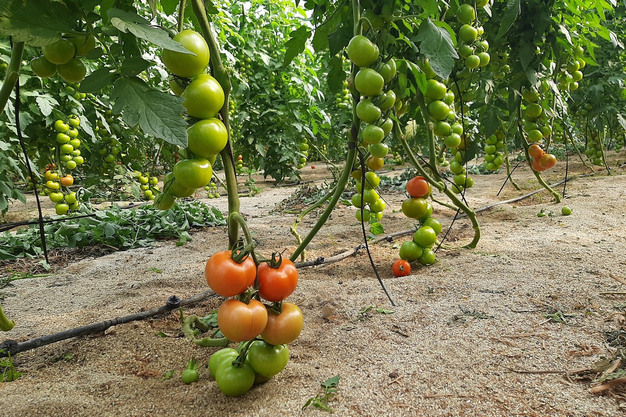
Pilar grows RAF tomatoes and salad tomatoes in a greenhouse of around 5,000 square meters. Her experience with Tuta absoluta reflects the constant pressure faced by tomato crops in southeastern Spain. "It's a very silent pest; it's inside your greenhouse infecting the crop, and when you realize it, many times there's nothing you can do," she recalls.
She remembers one particularly difficult season, "There was a year, a few campaigns ago, when Tuta absoluta wiped out our crop. We applied around 30 treatments and in the end we gave up and had to remove all the plants. It was a huge expense and, most of all, constant suffering, because while we were applying treatment after treatment, many neighbors were already pulling out their crops and taking the plants out into the street, and outside the greenhouse there were thousands or millions of moths ready to come in."
 © Biocaptur
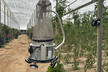
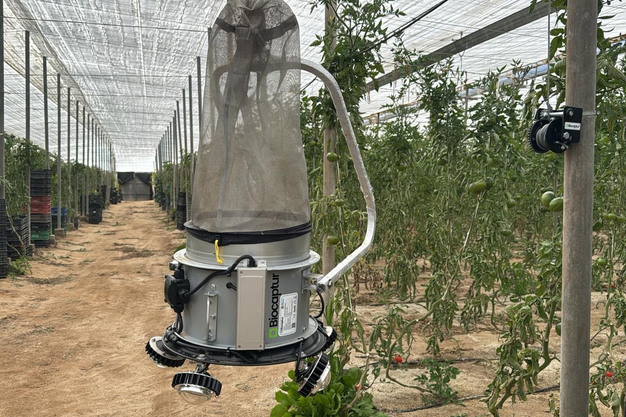
That experience marked a turning point in her management strategy. "A neighbor and some family members started using Biocaptur, an LED light device that captures Tuta absoluta and other insects, and we decided to take the step ourselves, after having spent years using biological control, wires, and even camphor bags, which many growers started using because it seemed they might repel the pest."
Since then, Pilar has incorporated this preventive tool, certified for organic production, into her tomato greenhouses, with a "very good" experience, she says.
 © Biocaptur
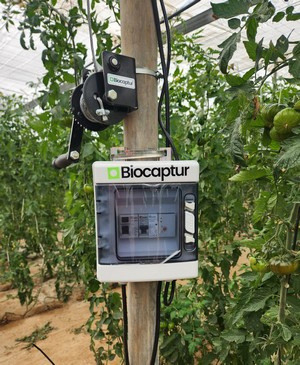
"Biocaptur captures a large number of Tuta, and since we started using the devices we haven't had to treat our crops anymore, saving a very significant amount of money," she explains. "The system was installed before Christmas and has been running throughout these months. Right now we have no trace of the pest, while there are already people who are pulling out their tomato plants."
"For us, the peace of mind of knowing that you're eliminating Tuta at night is priceless."
Food safety and grower confidence
After years of experience, Pilar's conclusion is clear: prevention pays off both economically and emotionally. "If you add up what you spend on treatments and the stress it causes, it's clearly worth investing in effective preventive solutions like Biocaptur."
"And we also have to think about the final consumer. Using fewer pesticides not only means lower costs for us, it also means we are delivering a safer product to the consumer and providing much greater transparency about the quality of the tomatoes they are buying."
 © BiocapturFor more information:
Biocaptur
Tel.: +34 641 517 153
[email protected]
https://biocaptur.com