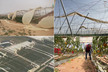
For 25 years, Ektar by IDMAT has built its expertise around the strong conviction that "protecting crops means securing the future of farms." Born in the early 2000s out of a meeting between a specialist in industrial structures and an arboriculturist faced with the vagaries of the weather in his apple orchards, the company initially developed anti-hail solutions before taking things a step further. "At the time, we worked mainly with nets and cables. But very quickly, the idea came to add a roof, then to completely enclose the structures in order to create a real protective barrier," explains Michael Abraham, a member of the technical department in charge of customer relations and project development on Reunion Island. This gradual evolution has now given rise to a complete solution: ABRI PRO +.
 © Aurélie Pintat | HortiDaily.com
From arboriculture to vegetable crops in order to support seasonal crops
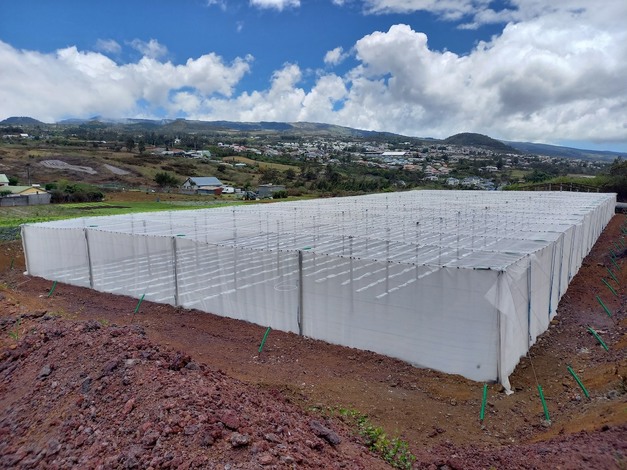
Historically positioned in arboriculture, the company broadened its scope more than 10 years ago to vegetable crops. In 2016, the first vegetable cages saw the light of day, before being structured and certified. "We wanted to do more than just netting. The aim was to create a hermetic system, with a pedestrian SAS. We are now moving towards a SAS with two doors for machinery to further limit the introduction of pests," explains Michael Abraham.
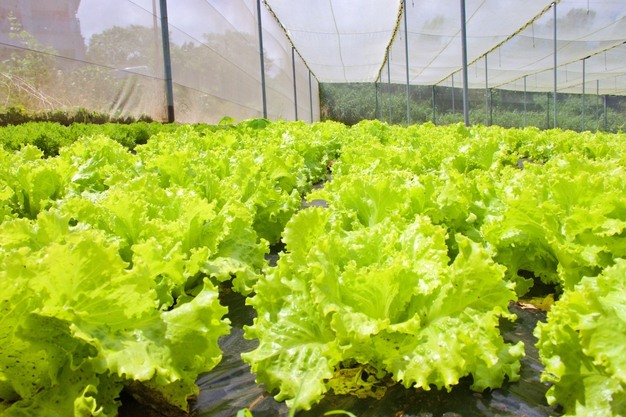
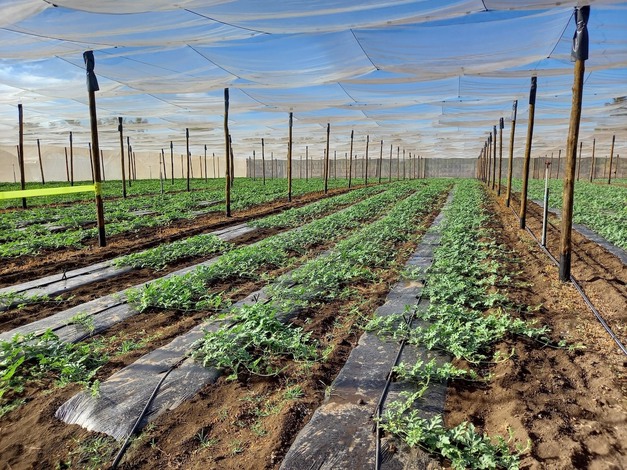
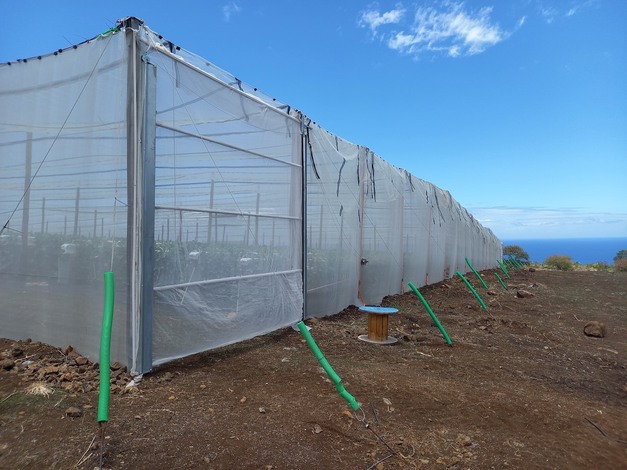
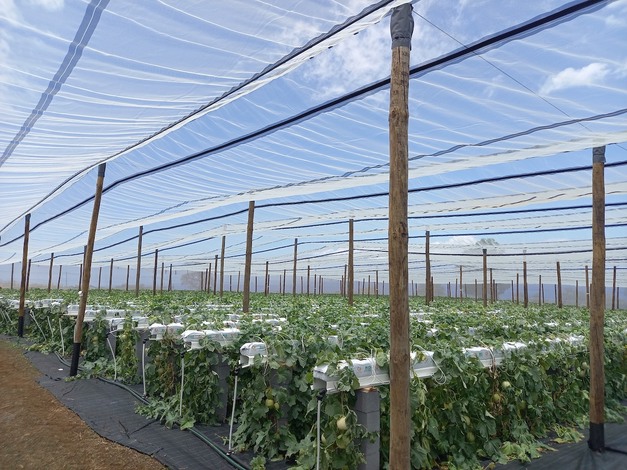
Today, ABRI PRO + includes an insect-proof seal, stakes guaranteed for 20 years, secure anchoring and custom-made netting. SOCOTEC-certified, the system is even seen by some producers as an alternative to insurance. "At a time when insurance is becoming increasingly expensive and pays less and less in compensation, some growers are opting to invest directly in a shelter that will protect them from hail and wind, rather than frost," explains Michael Abraham.
 © Ektar by IDMAT
 © Aurélie Pintat | HortiDaily.com
A physical barrier against climate and health pressures
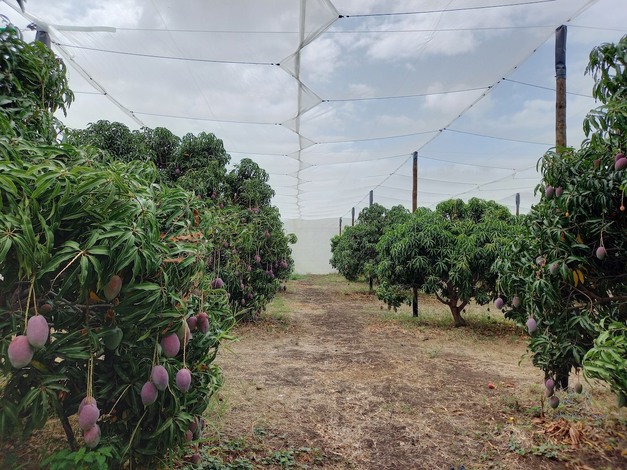
Hail, wind, heat, rain, insects: the shelter acts as multifactorial protection. Not only does it reduce the impact of wind by 45%, it also slows down evapotranspiration and limits water evaporation by up to 50%. "Under shelter, the wind is greatly attenuated. This reduces the drying out of the soil and makes it possible to adapt the technical itinerary, particularly in terms of irrigation," explains Michael Abraham.
Saving water is another advantage, and the system is perfectly compatible with drip or sprinkler irrigation. Besides the climate aspect, the hermetic seal provides a real physical barrier against pests. "It is a very interesting alternative given the reduction in the number of active ingredients authorized for chemical control. As well as acting as a physical barrier, our system facilitates the introduction and effectiveness of BIPs (Integrated Biological Protection)."
 © Aurélie Pintat | HortiDaily.com
Effectively limiting yield loss
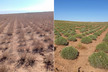
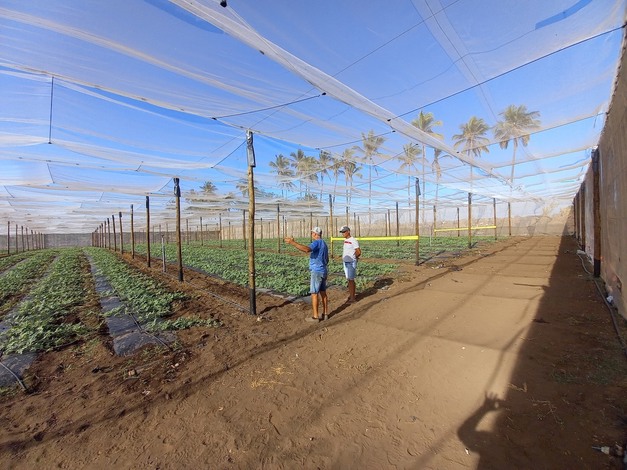
While the company remains humble, preferring to talk in terms of limiting losses rather than increasing yields, the proposed system has nonetheless enabled some growers to make significant gains in efficiency. "One aromatic plant grower told us that he had made an extra cut thanks to our shelter. However, we are not saying that we are systematically increasing yields, but that we are limiting losses. And given the current climate, that is fundamental." Another advantage is that the installation does not require any heavy earthwork. Even on hilly terrain, the structure can be adapted so that crops can be planted again quickly.
 © Aurélie Pintat | HortiDaily.com
 © Aurélie Pintat | HortiDaily.com
Strategic deployment in mainland France and French overseas departments and territories
The company has developed strongly in the French overseas departments and territories, particularly on Reunion Island and soon in Guadeloupe, where pest pressure is constant and chemical control methods are limited. "Without winter to break the cycles, pests are present all year round. That is where the physical barrier comes into its own. Additionally, the structures are designed to withstand strong winds of up to 100 kph (SOCOTEC standard), a major advantage in cyclonic zones."
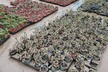
In mainland France, interest in these physical solutions seems to be accelerating. "At the last SIVAL, requests increased, including from nursery growers faced with plant burns linked to heat waves, who were interested in the shade provided by the shelters." At Michael Abraham's initiative, the company has also embarked on a project that is close to its heart: the Climatveg 2 project, to meet tomorrow's climate challenges.
"We are not looking to replace greenhouses or enable tomatoes to be grown in winter. We are proposing a solution that is suited to seasonal, open-field crops, that protects without artificializing, so that - despite the ever-increasing problems - growers can continue to cultivate in the best possible conditions," concludes Michael Abraham.
 © Aurélie Pintat | HortiDaily.com
For more information:
Robin Descordes
Ektarby IDMAT
Phone: +33(0)6 11 84 01 03
[email protected]
Cédric Bonnin
Phone: +33(0)5 49 95 46 07
[email protected]