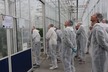
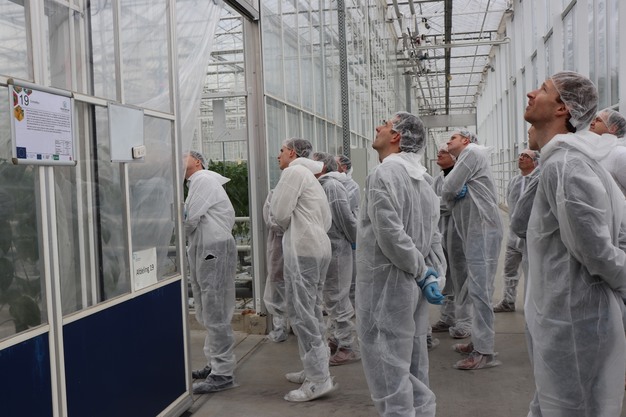
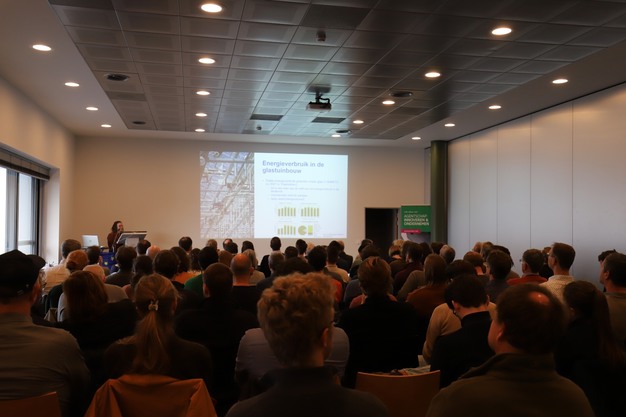
The closing event of the Interreg Flanders–Netherlands project Energlik was held in Hoogstraten, Belgium, where researchers and industry stakeholders gathered to present and discuss the project results. The study day was organised by the Energlik consortium under the coordination of Proefcentrum Hoogstraten.
Within the Energlik project, eleven partners from Flanders and the Netherlands joined forces to take concrete steps toward reducing CO₂ emissions in greenhouses by 2030 and achieving climate neutrality by 2050.
The project focused on the development of four innovative technologies aimed at lowering CO₂ emissions in greenhouse production. In addition to practical trials, complementary research was carried out to assess the economic feasibility and environmental impact of the innovations.
Bram De Kort of Interreg highlighted the importance of the initiative during the closing event: "Interreg stimulates cross-border cooperation and supports strong projects that create added value for people, the economy and the planet. Energlik is an excellent example of this."
 © Proefcentrum Hoogstraten
Four innovations for less CO₂ emissions
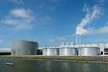
One of the technologies developed within the project is a CO₂ capture system that collects, purifies and stores CO₂ from the heating installation for later reuse in the crop. This allows growers to decouple heat demand from CO₂ supply. The system is based on Pressure Swing Adsorption (PSA). Jan Creylman of Thomas More explained: "PSA is a low-tech method to concentrate CO₂ from flue gases. It can be easily combined with a CHP installation and is cost-effective, safe and scalable."
 © Proefcentrum Hoogstraten
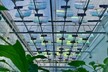
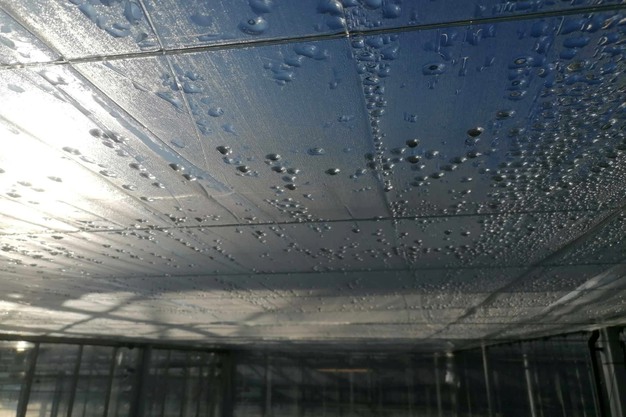
A second innovation focused on the development of new screen materials to improve greenhouse insulation and reduce heat losses, thereby lowering CO₂ emissions. The emphasis was placed on the properties of the screens.
"It has been scientifically confirmed that growers were right in assuming that dehumidification through the screen is highly efficient," said Filip Bronchart of Ghent University.
The third innovation addressed energy-efficient active dehumidification systems. These systems remove moisture from the greenhouse without opening the vents, preventing energy losses.
"Within Energlik, we explored the possibilities for energy-efficient dehumidification of greenhouse air, based on proven techniques from other sectors," Bronchart added.
 © Proefcentrum Hoogstraten
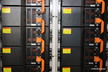
Finally, the project partners developed sensors capable of detecting fungal spores. As energy-efficient cultivation often requires vents to remain closed for longer periods, the risk of fungal diseases can increase.
"We have previously used biosensors successfully to detect bacteria and molecules, but fungal spores proved more challenging. With surface imprinting and electropolymerisation, we have identified two routes that make detection of fungal spores possible," explained Bart van Grinsven.
These sensors could enable more accurate monitoring of fungal pressure in the future, allowing growers to intervene at an early stage.
 © Proefcentrum Hoogstraten
Innovations tested in practice
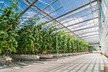
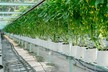
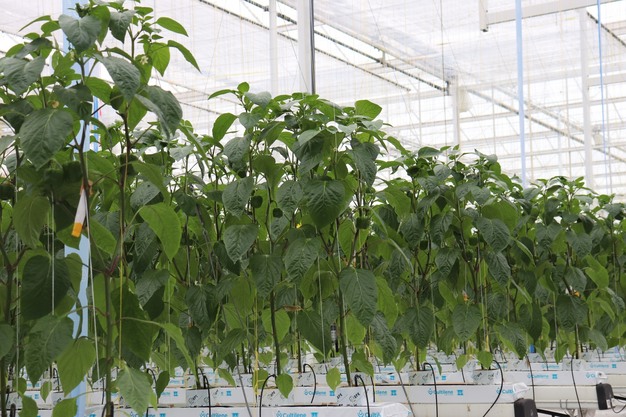
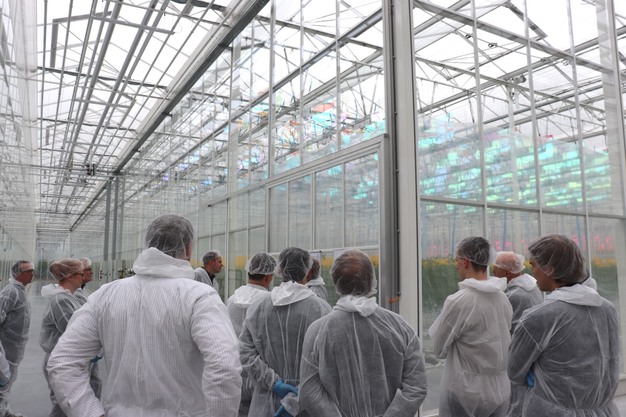
Several of the innovations were extensively tested in practice. New screen materials were developed, measured and selected based on their insulation performance. The best-performing screens were subsequently used in crop trials with tomato, sweet pepper and cucumber, combining up to three screens per crop.
 © Proefcentrum Hoogstraten
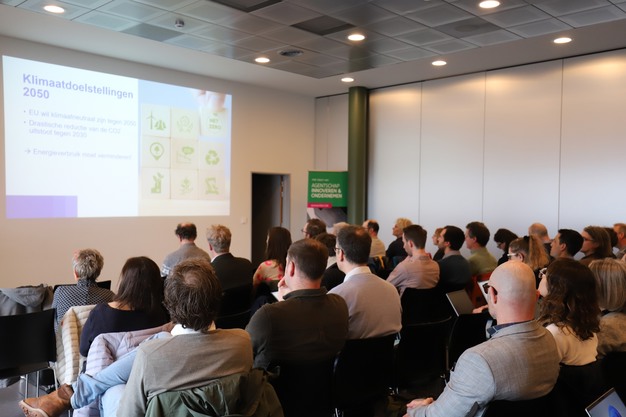
Different types of dehumidification systems were also designed, built and installed. These included systems with sensible heat recovery and systems equipped with a heat pump. In combination with energy-efficient climate and screen control strategies, these measures resulted in significant energy savings across all crops, without any loss of production.
 © Proefcentrum Hoogstraten
In addition, a trial in a commercial tomato greenhouse demonstrated that more intensive use of multiple screens, both during the day and at night, can substantially reduce energy consumption.
Tomato grower Jelle De Ryck of Tomerel reflected on his experience: "In 2025, we did not have to switch on our gas boiler, whereas in 2024 — despite a warmer spring — this was still necessary. This was made possible by the double energy screen and more intensive screen use.
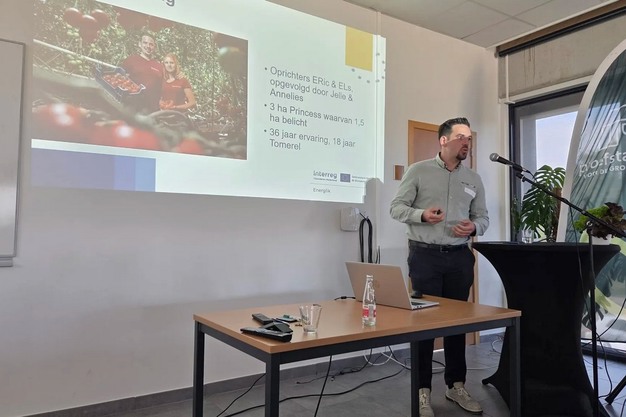 © EnerglikJelle De Ryck of Tomerel shared his experiences as a demo partner in the Energlik project on October 2, 2025, during a visit to the Proefstation voor de Groenteteelt in Sint-Katelijne-Waver.
Screens show greatest potential
The economic and environmental assessments indicate that energy screens currently offer the greatest potential to move the greenhouse industry towards climate neutrality. They require a relatively limited investment and deliver substantial heat savings, particularly in unlit crops. When combined with energy-efficient dehumidification systems, CO₂ emissions can be reduced further.
"Dehumidification systems lower the environmental impact, but high efficiency is essential," explained Luis Corbala Robles of ILVO. Their economic feasibility largely depends on investment costs.
For the other innovations, the economic and environmental added value is less clear at this stage, partly due to high investment costs and the need for further research. These factors will influence which technologies are widely adopted in commercial practice in the future.
The project also underlined that energy-efficient cultivation strategies — such as accepting higher relative humidity levels and increasing screen hours — can lead to significant savings without requiring additional investment from growers.
Silke Hemming of Wageningen University & Research emphasised this point: "Accepting a higher relative humidity, using a heat pump for dehumidification, and installing more and better energy screens make the most important contribution to energy savings in fruiting vegetable crops."
Source: Proefcentrum Hoogstraten / Energlik