The BeXyl – Beyond Xylella project studies Xylella fastidiosa outbreaks in Europe as "pathosystems." This means examining the interaction between the pathogen, susceptible plants, environmental conditions, vector abundance, and other related factors. This approach combines different disciplines to provide tools for tackling Xylella by acting on several 'pressure points' at once.
Thanks to BeXyl, scientists have explored and integrated new tools and agronomic practices to control insect vectors. They also developed microbiological tools to boost plant defense. Studies involved European partners and included laboratory experiments, molecular approaches, greenhouse trials, and field tests.
Vector control, beyond chemicals
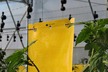
Research coordinated by Domenico Bosco (University of Turin) and Enrique Quesada (University of Córdoba) sheds light on new strategies for the effective control of the main insect vectors of Xylella fastidiosa in Europe (Philaenus spumarius and Neophilaenus campestris), which transmit the infection by feeding on xylem sap.
The scientists identified entomopathogenic fungi, which are deadly to vectors. These fungi can reduce vector populations without heavy pesticide use. Several fungal strains were highly pathogenic in laboratory tests, causing 90–100% mortality. In field trials, some strains reduced populations by up to 70%.
Effects on insect feeding behavior
Some of the fungi interfered with the vector's feeding behavior, altering the time to reach and ingest xylem sap, making it more difficult for the insect to transmit Xylella fastidiosa to plants. In addition to this interference, insects showed a significant increase in mortality in the days following treatment. These results suggest a potential indirect impact on Xylella fastidiosa transmission, linked to both reduced vector survival and interference with the feeding process.
'Lure and kill' fungi and the 'old but gold' cover crop
The study showed some entomopathogenic fungi can colonise herbaceous plants naturally present in the natural olive covers and to reduce the Xylella fastidiosa vector populations feeding on them. Moreover, upon the possible preference of the vector for entomopathogenic fungi-colonised covers, a modification of the 'lure and infect' strategy using marginal crops to attract and infect insect vectors could be developed.
Another key tool investigated was cover crop management. Vineyard trials in Italy and Spain showed some sown species, such as Anthriscus cerefolium and Sinapis alba, reduce P. spumarius nymphs compared to spontaneous vegetation. However, effectiveness varies with climate and sowing period.
Microbial communities and more resilient plants
The team coordinated by Emilio Montesinos (University of Girona) and Stéphane Compant (Austrian Institute of Technology) focused on developing innovative biological tools to reduce Xylella fastidiosa plant colonisation and enhance host plant defence mechanisms.
Researchers studied how the plant microbiome interacts with X. fastidiosa during infection. Their goal is to develop synthetic bacterial communities (SynComs) of xylem-inhabiting bacteria with properties that help protect the plant against Xylella. In greenhouse experiments, designed SynComs reduced disease caused by the pathogen and helped plants grow healthier compared to plants that were not treated.
Scientists tested several antibacterial compounds, including plant extracts (alperujo components), essential oils (Eucalyptus globulus oil), and synthetic peptides, to reduce Xylella fastidiosa infection in plants. Greenhouse tests on almond showed that, applied by endotherapy, some multifunctional peptides and Eucalyptus oil act as bactericidal agents and also trigger plant defences, thereby enhancing plant tolerance to the pathogen and controlling infections.
Another research line focused on isolating and characterising bacteriophages, which are viruses that infect and kill bacteria, effective against X. fastidiosa. Researchers tested some of these in the lab and in field trials on grapevines. The results show a targeted biological approach can reduce pathogen numbers without harming the plant's microbiome.
Towards an integrated and sustainable approach
Integrating vector control, agronomic management, beneficial microbes, natural compounds, and bacteriophages offers a strong approach to limit X. fastidiosa. BeXyl will now focus on analyzing data and validating solutions in the field to deliver practical, sustainable tools for public and private stakeholders managing Xylella infections.
For more information:
BeXyl – Beyond Xylella 
https://bexylproject.org/