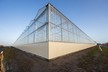
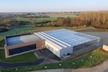
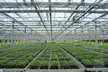
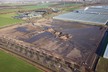
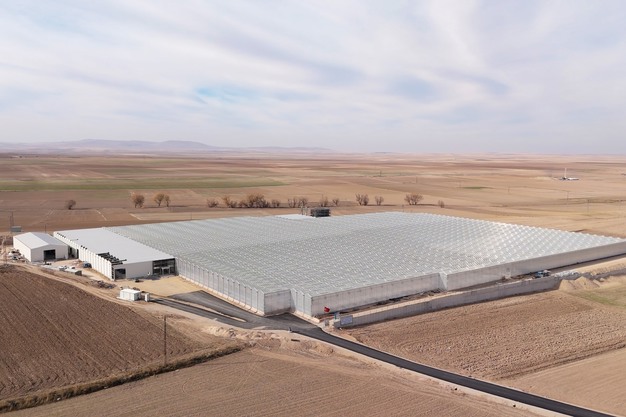
A new geothermal greenhouse at W Agro Park in Kayseri, Turkey, is expected to produce around 2,500 tons of fresh tomatoes annually from a 40,000 m² facility designed primarily for European export markets. Founder Mehmet Kabak says the project follows a strict export-first compliance strategy. "With our high-quality standards and traceability-focused production model, we aim to further strengthen the competitive position of Turkish fresh produce in European markets."
 © W Agro Park
Location advantages
Although Kayseri is not a traditional greenhouse region, it offers several advantages. The area has high and stable solar radiation, supporting fruit quality, color, and Brix levels. Its central location also provides logistical access to both European and Middle Eastern markets via road and air, enabling reliable supply chains and predictable export planning. In addition, the region's geothermal resources allow for sustainable long-term heating. "With controlled use and proper reinjection, these resources can be utilized sustainably for decades," Mehmet notes, adding that geothermal heating has become especially relevant amid Europe's energy crisis.
 © W Agro Park
Export potential
Türkiye is already one of the world's largest tomato producers, historically focused on domestic consumption and nearby export markets such as Russia, Eastern Europe, and the Middle East. Recently, however, exports to the EU have increased, with growth visible in countries like Romania, Poland, Germany, and the Netherlands. Rising energy costs for Northern and Western European greenhouse growers and climate variability affecting Southern Europe have opened opportunities for Turkish controlled-environment production with stable volumes and extended seasons.
Access to EU markets still depends heavily on certification, residue standards, and buyer specifications, meaning producers who deliver consistent quality and documented compliance gain an advantage. At the same time, the Turkish greenhouse sector remains cautious about innovation due to pricing pressure, currency fluctuations, export dependency, and limited domestic demand. Plastic-covered greenhouses still dominate, and regulatory restrictions, subsidy accessibility, and water availability can slow modernization.
 © W Agro Park
Improving market
Despite these challenges, Turkish producers are rapidly improving through modern investments. Mehmet sees competition from Dutch, Spanish, and advanced Turkish growers, but believes W Agro Park differentiates itself through quality, reliability, predictable energy costs, and sustainability. Full traceability is ensured from greenhouse zone to harvest batch, supported by Integrated Pest Management, controlled chemical use, and regular laboratory testing.
 © W Agro Park
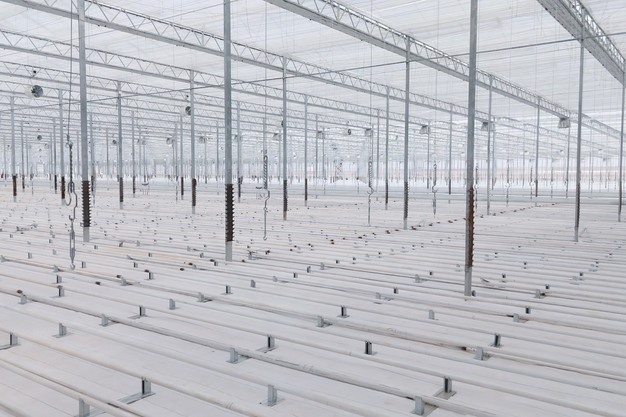
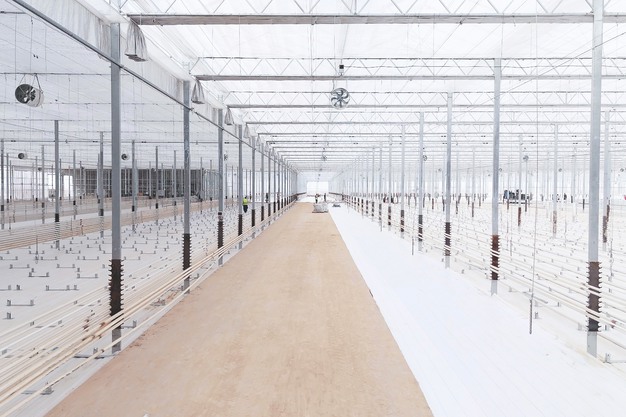
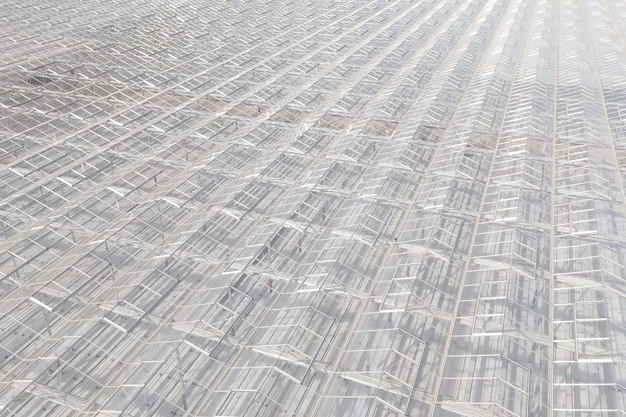
The greenhouse integrates international technologies and data-driven management systems aligned with European glasshouse practices. Automation has not reduced labor but transformed it, shifting staff roles toward monitoring, planning, and decision-making. With a cautious first-year yield target of 55–60 kg/m², the focus is on stability, quality, and export compliance.
Overall, the project reflects a broader shift in Turkey's greenhouse sector toward high-tech, export-oriented production. Rather than replacing EU supply, Turkish tomatoes are increasingly positioned to complement the European market within a diversified supply chain.
For more information:
W Agro Park
linkedin.com/company/w-agro-park/