Targeting aphid hot spots - with two fast-acting predators Propylea-System and Micromus-System - is delivering benefits for Armenian greenhouse vegetable producer, Spayka.
Responsible for 70% of Armenia's fresh fruit and vegetable exports, the company grows 117 ha of tomatoes, peppers and aubergines at its high-tech greenhouse complex near Yerevan.
"Supplying export markets, it's important our produce is free of chemical residues," explains Greenhouse Project Chief Manager Arevik Atikyan. "While not a long-term option, chemical controls are generally not as effective as they were. We're embracing more effective alternatives to produce vegetables sustainable."
Counteracting higher pest pressure
In peppers, the key pest pressures are thrips, aphids and spider mites. Spayka's original IPM programme focused only on thrips control, using Swirskii-System and Orius-System. Meanwhile, aphids and spider mites were managed with compatible chemical applications.
"With less chemicals being used, over the last two to three years we've seen significantly higher pest pressure," says Arevik. "To compensate, the IPM programme has been extended to include aphid and spider mite control."
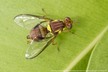
Aphid management initially relied on Aphidius-System and Aphidoletes-System. More recently, based on strong results from the Netherlands, Biobest recommended reinforcing the strategy with Propylea-System and Micromus-System.
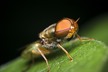
"With a continental climate, second aphid populations develop very quickly here," Arevik explains. "We need beneficials that get to work immediately once they're introduced. Fast and effective, Propylea and Micromus are voracious, generalist predators that feed on all aphid species."
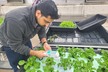
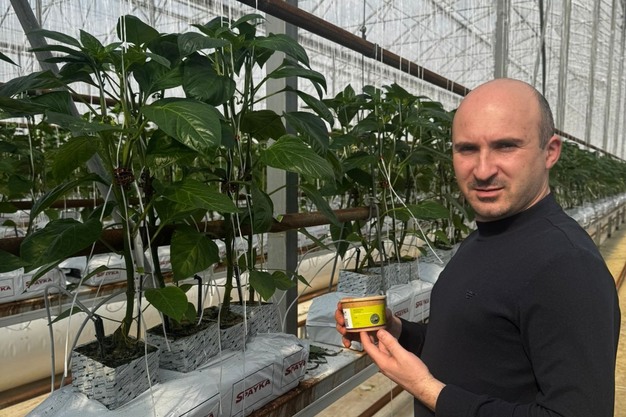 © BIOBEST Spayka's Crop and IPM Manager, Gagik Ordyan
Strengthened program
The strategy combines preventative introductions of Aphidius-System, the natural presence of Praon, and targeted deployment of Propylea-System and Micromus-System into emerging aphid hot spots.
"As soon as the first aphids are detected in the crop, we start weekly deliveries of these two aphid predators," says Arevik. "They are released immediately into any new aphid hot spot. Clearly visible in the crop, they deliver a quick result, with hotspots rapidly cleaned up. As pollen-feeders, we're seeing new generations of Propylea and Micromus spreading throughout the crop, helping sustain control."
While occasional local chemical treatments are still required when aphid populations spike, the strengthened programme is significantly reducing reliance on sprays. "Overall, this approach is also having a positive impact on other beneficials working in the crop - particularly Orius," adds Arevik.
Collaboration is key
"Support from Biobest and local partner Agromaster has played a key role in implementation. Working together, we've benefited from results shared from grower experiences in other countries, from videos demonstrating how to release the predators to optimise results, right through to support monitoring hotspots after Propylea-System or Micromus-System were introduced."
"All in all, these two predators are providing a fast, flexible and effective solution for controlling aphid hot spots - whatever the species."