A three-year research project in the Netherlands aims to accelerate the deployment of long-term energy storage in the national energy system. The RenewaFLEXNL consortium brings together 17 partners under the coordination of TNO. The project focuses on addressing grid congestion, price volatility, and the growing imbalance between supply and demand of renewable energy.
Horticultural practice
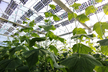
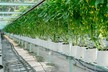
Two of the project's practical case studies are linked to the Dutch greenhouse sector. In De Kwakel, the project examines how stored heat and electricity can be used to reduce greenhouses' dependence on gas-fired combined heat and power (CHP) installations. The goal is to integrate energy storage in a way that supports more flexible and sustainable energy use in horticultural production.
In Altena, the focus is on a broader regional energy system. This includes renewable energy generation, energy storage, charging infrastructure for electric trucks, and heat supply for greenhouses and local end users.
A third case study is located in the Port of Rotterdam. There, the emphasis is on integrating storage with offshore wind energy to supply green electricity and heat to energy-intensive industries.
Long-term energy storage technologies
The pilot projects assess how long-term energy storage can reduce grid congestion, improve the use of renewable energy and strengthen regional energy security.
The technologies under study are designed to store renewable energy for periods ranging from 8 to 100 hours, allowing flexible deployment when needed. This can help prevent curtailment of renewable generation and contribute to a more stable energy system.
The consortium is investigating three main solutions. These include a scalable acid-base flow battery based on salt water, multi-day storage through reversible iron oxidation aimed at grid stability and cost-effective flexibility, and integrated systems combining heat pumps, water-based thermal storage and sodium-ion batteries with smart control systems.
In addition to technology development, RenewaFLEXNL focuses on system integration. This includes techno-economic analyses, life cycle assessments, business case development and recommendations for future regulatory frameworks.
A national system analysis will identify where long-term energy storage can deliver the greatest societal value.
Consortium
The project is carried out by a broad partnership including TNO (coordinator), Eindhoven University of Technology (TU/e), DNV, Vattenfall, Vopak, Nobian, Stedin, Aquabattery, ORE Energy, BB1 Project, HilverdaFlorist, Butterfly Orchid, Emmett Green, EFS, Ecomatters, New Ground Law and Energy Storage NL.
Advisory partners and stakeholders include TenneT, Alliander, Enexis, the Port of Rotterdam Authority, Glastuinbouw Nederland and representatives from the industrial and transport sectors.
RenewaFLEXNL receives funding from the Dutch MOOI programme.
Source: TNO