The search for agronomic tools capable of improving crop resilience to abiotic stress and, at the same time, optimizing nutrient use efficiency has become a priority for professional agriculture. In this context, the development of biostimulants of natural origin is evolving towards increasingly sophisticated solutions, both in terms of extraction processes and formulation.
 © Ficosterra
Ficosterra, a company specializing in technologies based on marine macroalgae and microorganisms, has focused its strategy on this "second generation" approach, combining applied research, raw material control and industrial scale-up, says Luis Lombana, one of the company's founders.
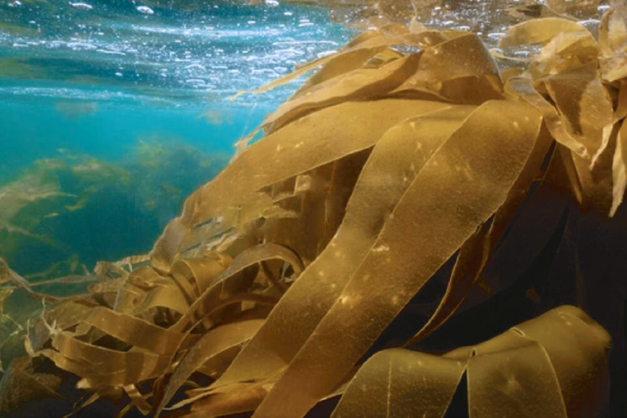
"From the beginning, we have specialized in the extraction of marine macroalgae, mainly Laminaria and Macrocystis, to obtain biostimulants. We don't work with conventional algae such as Ascophyllum or Ecklonia because these contain smaller quantities of the active ingredients we are looking for, especially alginates, which are more easily absorbed by the plant and also act as natural carriers."
 © Ficosterra
Ficosterra has managed to stand out with the development of the MARE technology, which combines macroalgae extracts with beneficial microorganisms and integrates two complementary modes of action. "On the one hand, the algae provide a high response capacity to abiotic stress; on the other hand, the micro-organisms act by stimulating the soil. This combination is the basis of our specialization."
"The macroalgae used, such as Laminaria, also play a key role as functional support for the microorganisms, facilitating their stability and effectiveness in the field," says Luis.
From algae expertise to agricultural biostimulation
The company's origins are linked to the industrial algae sector, especially the production of agar-agar, which allowed the founding team to identify opportunities for technological improvement in agriculture.
"We had extensive experience in the world of algae and we found that there was plenty of potential for a more refined extraction; a second generation of technologies applied to agriculture. Since its beginnings, Ficosterra has remained strongly committed to R&D, collaborating with public bodies and international consortiums."
 © Ficosterra
"We started with CDTI projects focused on the extraction of phytohormones from algae, then we participated in a United Nations project, Nutrialgae, where we tested the use of algae under severe stress conditions in Mexico and Morocco.
The company is currently the lead industrial partner in the European I3-4 Seaweed project, which is focused on the European scale-up of two key technologies: MARE and TRD, a gas-fluid extraction system developed by Ficosterra for the selective extraction of bioactive compounds. "Our role is to bring these cutting-edge technologies to industrial scale."
The supply of algae is another of Ficosterra's strategic pillars. The company works with raw material from Spain, Morocco and the Pacific coast of Mexico, through agreements with both growers and fishermen's associations.
"The cultivated seaweed comes from well-managed farms and the seaweed harvested in the open sea is obtained adhering to the quotas set by each country, avoiding any reduction in biomass. In this respect, all our purchases are traceable and meet sustainability criteria."
Biostimulation against stress and nutritional efficiency
From an agronomic point of view, Ficosterra's products, certified in accordance with European biostimulant regulations, act mainly in two critical scenarios: situations of intense stress and contexts of nutritional restriction.
 © Ficosterra
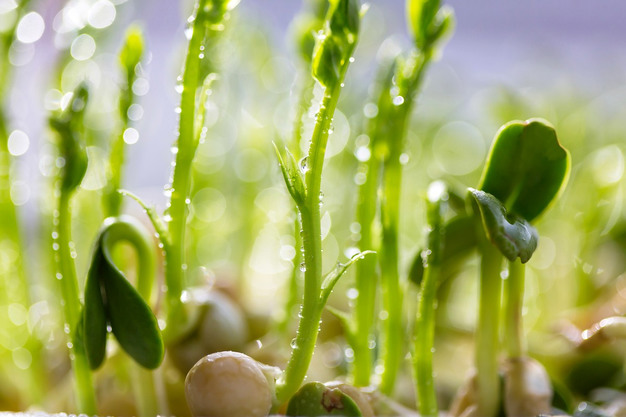
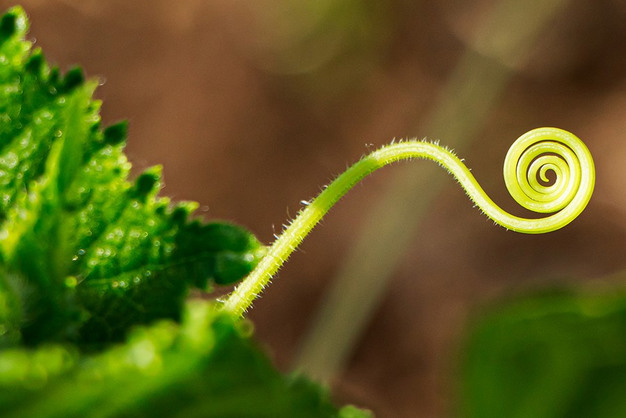
"When the plant is affected by extreme heat, intense cold or phytosanitary applications, its development is blocked and halted. At these times, the use of our biostimulants allows the plant to overcome this stress more quickly, thus improving the crop's overall performance."
"Nutrient and water use efficiency is also an increasingly relevant aspect in the face of regulatory limitations on fertilization," he says. "Under conditions of fertilizer restrictions, which also cause nutritional stress, the plant responds much better because our biostimulants mobilize nutrients from the soil and make them available to the plant in a more efficient way."
"MARE technology facilitates this process, improving uptake without increasing external inputs."
 © FicosterraFor more information:
Ficosterra
Calle La Ribera, 4
09007 Burgos, Spain
Tel.: + 34 947 135 039
www.ficosterra.com