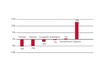
The Coordination of Farmers' Organizations (COAG) has criticized the fact that tomato imports from Morocco and Western Sahara have virtually disappeared from the European Commission's official statistics, even though shipments continue to arrive in EU markets normally.
This season, the European Commission's Directorate General for Agriculture no longer updates the import figures from these sources on their website, merely noting that they are significantly below normal levels.
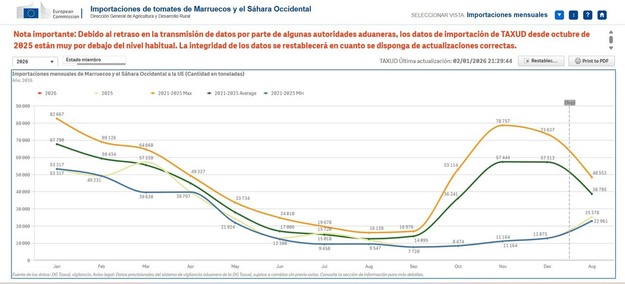 © COAG
Click here to enlarge the image.
The actual market situation contradicts these figures: given the large presence of Moroccan and Western Sahara tomatoes on the European market in recent seasons, a withdrawal of tomatoes at the scale indicated by the European figures would have led to a notable rise in market prices, which has not happened.
The European Commission's Agriculture and Food Commissioner, Christophe Hansen, recently acknowledged to COAG that there are significant issues with information on Moroccan tomato imports, pointing to some Member States' customs authorities as the cause. During a January 23 meeting with the European Coordination Via Campesina, which included members of the Spanish organization, Hansen emphasized the lack of transparency in the shipment data for these products to the EU. He concurred with COAG in condemning this unacceptable situation. The European Commission's Directorate-General for Agriculture's website also highlights these concerns.
COAG has contacted both Spanish customs and the Directorate General for Taxation and Customs Union (DG TAXUD) to request timely and current information about the situation, emphasizing the need for a prompt resolution and clarification of the reasons behind this unacceptable lack of transparency.
"It seems clear that the change in regulations regarding labeling and traceability to accommodate Moroccan demands on Western Sahara is not being implemented in practice, and the uncertainty over imports has increased, leading to greater ambiguity about these products and the markets themselves," stated Andrés Góngora, COAG's state fruit and vegetable manager.
For more information:
COAG
www.coag.org