RVO (Netherlands Enterprise Agency) is funding a project called SPROUT, with a total budget of 5.6 million euros. The goal of the project is to help the greenhouse horticulture sector move away from fossil fuels and at the same time support the Dutch energy transition. The consortium project will be led by Francesco Lombardi of the faculty of TPM.
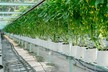
Right now, greenhouses in the Netherlands mainly use combined heat-and-power (CHP) systems. These run on natural gas and produce electricity, heat, and CO₂ that is needed to grow crops. They also supply electricity to the national power grid, up to 11% of the country's annual electricity. CHP plants can produce energy whenever it is needed, and make up 10% of the total flexible power capacity, which makes them very important for balancing the grid as more solar and wind power come online.
Flexibility is key
However, to meet climate goals, greenhouses must switch from gas-powered CHP systems to renewable energy sources like geothermal or solar. If they do this without changing how they interact with the grid, greenhouses would go from being flexible energy suppliers to being inflexible energy users. This would reduce grid flexibility and force expensive investments in new backup power plants, as is already happening in some areas.
The SPROUT (System-Positive, Replicable, Optimised Urban-horticultural Transitions)project wants to prevent this by helping horticulture move to Multi‑Carrier Energy Hubs (MC‑EHs). These hubs combine different renewable generation, conversion and storage technologies across different carriers, such as electricity, heat, hydrogen, and CO₂, making sure they can work together in a smart way. This approach can meet the needs of greenhouses while also helping the national energy system absorb more renewable energy and reduce grid congestion. These advanced hubs are called system‑positive because they give more flexibility to the grid instead of taking it away. As Lombardi puts it: "The project will turn greenhouse horticulture into an accelerator of the Dutch energy transition."
Putting theory into practice
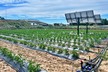
SPROUT will show how this can work in practice with a real-life demonstration at a greenhouse in Monster. It will also create tools to help the entire sector adopt the concept faster, for example, a web app that lets growers design their own energy hub that fits their needs, and blueprints for viable business models.
Project partners
The project is led by TU Delft's Faculty of Technology, Policy and Management, working together with Mechanical Engineering, The Green Village (which will host a small-scale pilot), and the Innovation & Impact Centre. Other partners include companies like Division Q, eFuelution, Resourcefully, WestlandInfra, as well as researchers from Leiden University and Wageningen University & Research.
Source: TU Delft