ROP Ltd. has announced the development of a new modified atmosphere packaging (MAP) solution for radishes that significantly reduces plastic use while maintaining the high-performance standards required for fresh produce distribution.
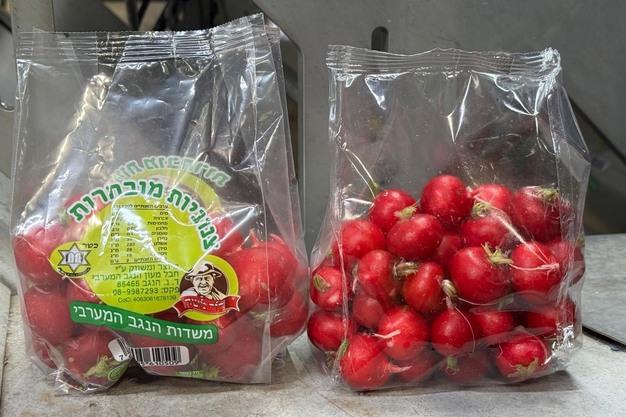
The newly launched packaging replaces a traditional 60-micron PP/PE laminate with a 50-micron mono-polymer film, offering both environmental and operational advantages without compromising product quality or shelf life.
According to ROP, the development reflects a growing industry shift toward sustainable packaging solutions that meet both regulatory expectations and commercial realities. In that line, the EU on its regulation (EU) 2025/40 "Packaging and Packaging Waste Regulation (PPWR)" requires all packaging on the market to be recyclable by 2030.
For years, radish packaging relied on multilayer laminate structures to achieve the presentation, strength, and shelf-life performance. While effective, these laminates are difficult to recycle and contribute to higher plastic consumption.
The newly developed ROP film delivers an improved functional performance using a single-polymer structure, enabling full recyclability and reducing overall material use by nearly 20%.
"This is a meaningful step forward," said Shay Zeltzer, Postharvest Director at ROP-ltd. "By combining polymer engineering, postharvest physiology expertise, and an environmentally mindful approach, we were able to replace a conventional laminate with a thinner mono-material solution while improving the packaging performance."
The 50-micron film was engineered to maintain optimal respiration balance for radishes, control moisture loss, and provide sufficient mechanical strength for both domestic and export logistics.
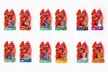
The first commercial adopter of the new packaging is Yaham – Hevel Maon Enterprises, one of Israel's leading radish growers and exporters ('Negev Produce' brand), supplying both local and international markets.
For Yaham, packaging performance is not only a technical requirement but also a brand statement.
"We invest tremendously in growing, harvesting, and postharvest handling of our radishes," said Chen Itzik, CEO of Yaham. "Packaging is the final stage that defines how the product is perceived by the consumer. It must protect freshness, look premium, and represent our quality standards."
According to Itzik, switching to a more sustainable packaging format was carefully evaluated to ensure there would be no compromise in presentation or shelf life.
 © ROP LTD
"We were very clear that reducing plastic use alone is not enough. The packaging must still look right on the shelf, perform in transport, and protect the product. With this new film, we achieved all of that—plus the environmental benefit."
Beyond reducing material thickness, the move from a laminate to a mono-polymer structure enables improved recyclability and better alignment with evolving EU and global packaging regulations.
ROP emphasizes that the development reflects a broader trend in fresh produce packaging: moving away from complex structures toward smarter, lighter, and recyclable materials without sacrificing functionality.
"This is not about removing plastic," Zeltzer added. "It's about using the right plastic, in the right amount, engineered correctly for the physiology of the produce."
The radish project follows the development of films earlier adopted by Strauss for its shredded salads operation. Additional MAP developments are currently underway at ROP, targeting other high-respiration vegetables and export-oriented crops.
As retailers and regulators continue to push for sustainability, solutions like this demonstrate how innovation in material science and postharvest expertise can align commercial performance with environmental responsibility.
For more information:
ROP-LTD
Phone: +972-73-7600589
https://rop-ltd.com/