Decisions made during propagation, early plant handling, and seasonal planning establish patterns that influence plant behavior, labor efficiency, and financial performance months later. According to Julia Hatje da Rosa of Truly Green Farms, attention to these early foundations is what separates resilient seasons from reactive ones.
"This stage defines the success or failure of that plant, and often of the season that comes after," she explains, reflecting on recent visits to propagators ahead of a new production cycle. "Each detail sets an initial pattern. The plant learns how it will respond to stress, harsher climates, and small crop steering mistakes."
 © Truly Green Farms
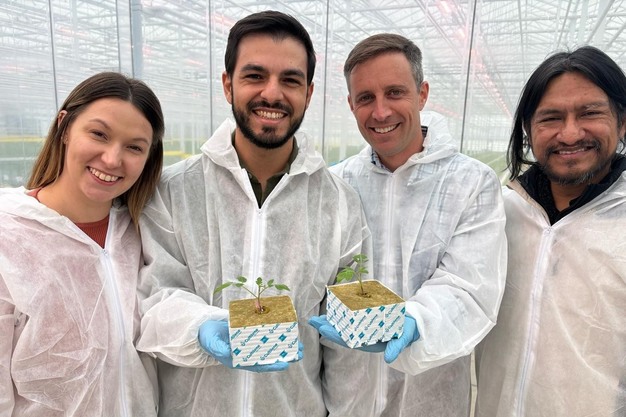
Propagation strategy and uneven starting points
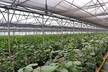
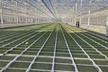
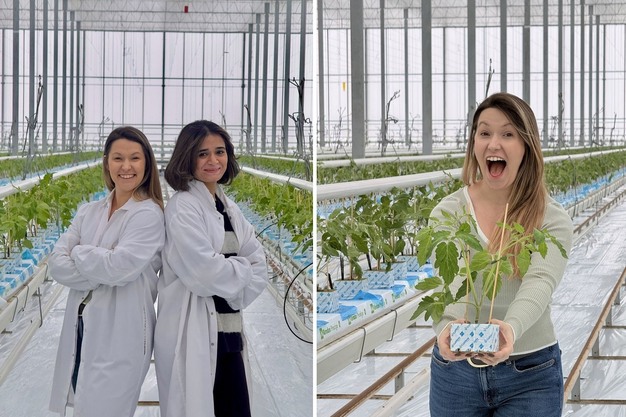
During propagation visits, she observed how differences in handling and strategy had already produced markedly different young plants. While all plants were technically within specification, their structure, vigor, and readiness reflected upstream decisions.
"What stood out was how much time it would take to bring two crops to the same place," she notes. "Time spent compensating for an uneven foundation is very different from time spent building on a strong one."
This early divergence has downstream consequences. Plants that require corrective steering demand more labor, tighter monitoring, and often introduce variability into production planning. In contrast, uniform, well-prepared plants allow growers to focus on optimization rather than recovery.
 © Truly Green Farms
Early-season tomato steering in low-light conditions
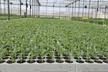
Once plants arrive at the greenhouse, environmental conditions introduce a new set of challenges, particularly during Canadian winters. In January, greenhouses can become warm and stable environments while light levels remain low, pushing young tomato plants toward excessive vegetative growth.
"They arrive to warm temperatures, low light levels, and inactive conditions that push them into a highly vegetative state," she says.
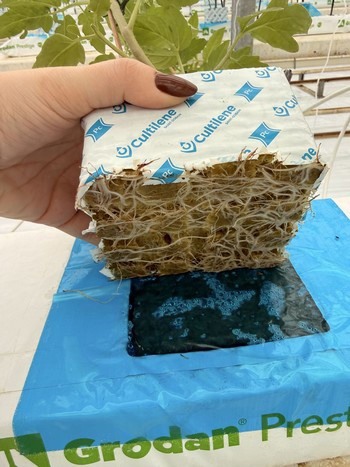
To counter this, Truly Green Farms uses slip sheets to intentionally restrict access to water and nutrients from the slab. This approach forces roots to develop within the block, creating a more active and exploratory root system.
"The stress is intentional, monitored, and time-bound," she explains. "The result is a more generative plant, with a stronger root system and flowers triggered to appear."
Rather than avoiding stress altogether, the strategy relies on applying it precisely and temporarily, with clear objectives and close observation.
 © Truly Green FarmsExtending the concept to operations
The same principle, she argues, applies at the operational level. Stress is unavoidable in greenhouse production, but how it is structured determines whether it drives progress or creates instability.
"Burnout, instability, and constant firefighting don't create growth," she says. "They break systems and kill talent."
One example is the cleanout period. With crops removed, teams face tight timelines, reduced staffing, and high financial pressure due to lost production days. The pace is intense, but the stress is widely understood and accepted.
"Everyone knows it's temporary, and everyone understands why it exists. What keeps it from turning into chaos is structure."
Once planting is complete, however, operational pressure shifts rather than disappears. With slow winter growth, controlled environments, and limited activity, labor demand drops while labor costs remain.
"If nothing changes at that point, performance doesn't stay neutral," she says. "It drifts. Hours are used because they're available, not because they're needed."
Designing pressure without destabilizing the system
At this stage, controlled stress becomes a deliberate management tool. Work is reprioritized, teams are regrouped, and labor hours are adjusted to maintain operational discipline without recreating cleanout-level intensity.
"The goal isn't to recreate cleanout intensity," she explains, "but to prevent comfort from turning into stagnation."
Winter energy costs add another layer of pressure. Extreme cold can drive heating and lighting expenses sharply upward, often before production revenue increases. These fluctuations require rapid response without reactive decision-making.
Here again, the plant provides a useful parallel. With slip sheets in place, water access is restricted, but plants are still fed, monitored, and adjusted as needed.
Operationally, this translates into introducing pressure through tighter schedules, targeted process changes, or new approaches while maintaining close visibility.
"Results are observed quickly. Adjustments are made fast. Variables are changed one at a time. If something doesn't work, we step back, correct, and try again."
Controlled stress becomes problematic when it turns reactive. According to Julia, instability emerges when changes are made without clear expectations, when too many variables shift at once, or when teams lack the capacity to monitor outcomes.
"Controlled stress isn't about pushing harder," she concludes. "It's about designing pressure with the ability to observe, adjust, and intervene before instability takes hold."
For more information:
Julia Hatje da Rosa
www.linkedin.com/julia-hatje
[email protected]